
Blechnum fluviatile
Blechnum fluviatile
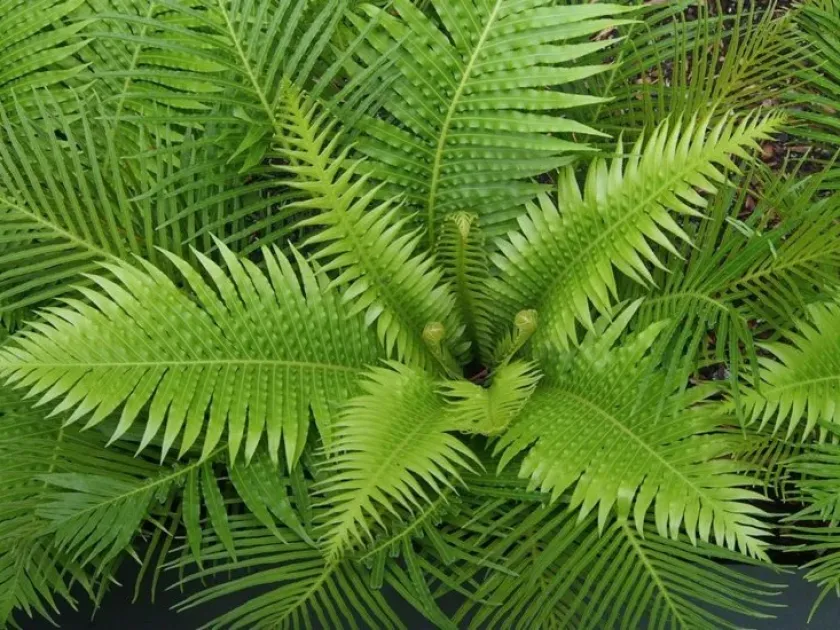
Description
Growing requirements
Blechnum fluviatile, commonly known as the river fern, belongs to the family Blechnaceae. It is a perennial plant native to New Zealand and parts of Australia, where it naturally thrives in damp, shaded environments along stream banks and forests.
Cultivating this species requires high humidity and consistently moist, well-draining soil. It is particularly well-suited for shaded garden areas, bog gardens, or sheltered spots that replicate its natural riverside habitat.
The ideal planting medium is acidic, rich in organic matter, and lightweight. A mix consisting of peat moss, perlite, and well-rotted leaf mold provides the best structure for healthy root development while preventing excessive compaction.
Regarding climate, the river fern is sensitive to temperature extremes. It requires a sheltered location protected from harsh, drying winds and direct midday sun, which can easily scorch its delicate, dark green fronds.
Maintenance involves routine watering to ensure the root zone remains damp but not waterlogged. Mulching with bark or pine needles is recommended to help regulate soil temperature and maintain moisture levels during the peak growing season.
Main diseases and pests
Root rot is the most common physiological threat to Blechnum fluviatile. It is almost always caused by poor soil drainage combined with stagnant water, which suffocates the roots and promotes anaerobic decay.
Common insect pests include scale insects and aphids that feed on the underside of the fronds. Heavy infestations can lead to stunted growth and the transmission of viral or bacterial pathogens throughout the plant cluster.
Spider mites are prevalent in environments with low humidity. These pests suck the chlorophyll from the leaves, causing a characteristic stippled appearance followed by leaf drop if not treated with systemic or contact acaricides.
Garden mollusks, such as slugs and snails, find the tender emerging fronds highly attractive. Protective measures like physical barriers or baiting are essential, particularly during damp spring weather when mollusk activity is at its highest.
Fungal leaf spot diseases often appear when the foliage remains wet for too long in cool conditions. Improving air circulation around the plants and avoiding overhead irrigation directly onto the crown significantly reduces the risk of infection.