
Blechnum finlaysonianum
Blechnum finlaysonianum
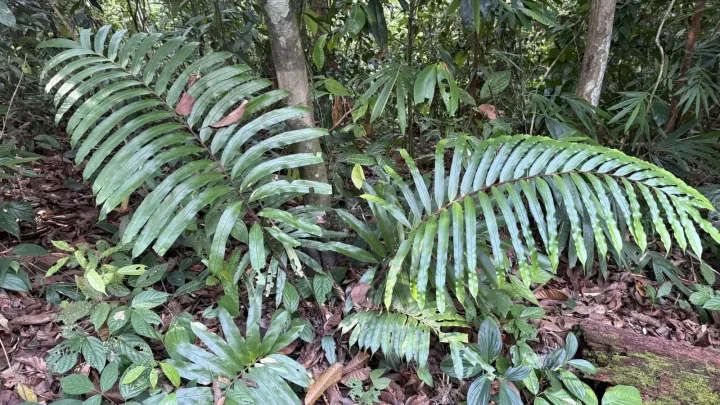
Description
Growing requirements
Blechnum finlaysonianum is a distinguished member of the Blechnaceae family, recognized for its architectural structure and resilient foliage. Originating from the humid forests of Southeast Asia, this fern thrives in environments that replicate its natural habitat.
The plant is characterized by its stiff, leathery fronds that emerge from a central rhizome. Its slow growth rate and unique frond shape make it a prized specimen for indoor plant enthusiasts and specialized botanical collections.
Cultivation requirements include a stable temperature range of 20 to 25 degrees Celsius and protection from cold drafts. High relative humidity is essential, ideally maintained above 60% to ensure the longevity of the plant's fronds.
For the soil, a well-draining, airy mix is required to prevent water stagnation. A blend containing peat moss, perlite, and coarse organic matter such as chopped bark or coco coir provides the perfect foundation for healthy root development.
Light levels should be kept low to moderate, as this species is adapted to forest understories. Exposure to harsh, direct sunlight will damage the fronds, leading to permanent leaf scorch and loss of vigor.
Main diseases and pests
Common threats to this fern include scale insects and spider mites. These pests thrive in indoor conditions, particularly if the plant is stressed by low humidity levels during the heating season.
Fungal diseases are a significant risk if the soil remains waterlogged for extended periods. Root rot is the most frequent cause of plant decline, often exacerbated by the lack of proper drainage or aeration.
Management of these issues involves vigilant observation and the application of appropriate systemic treatments. Early detection of leaf discoloration or wilting can prevent significant damage to the plant structure.
Regular maintenance practices, including the removal of dead fronds and checking the undersides of leaves, help in mitigating the risk of infestation and keeping the plant in optimal health.
- Use of deionized or rainwater for consistent soil moisture.
- Maintaining constant airflow around the plant without creating drafts.
- Applying liquid fertilizer diluted to half strength during the active growth phase.