
Blechnum filiforme
Blechnum filiforme
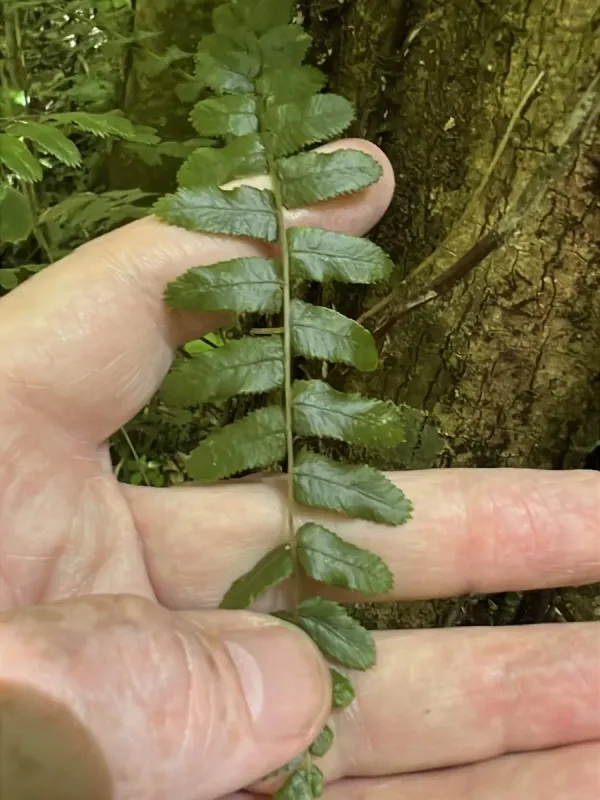
Description
Growing requirements
Blechnum filiforme, commonly known as the thread fern, is an elegant member of the Blechnaceae family. Native to New Zealand, it is recognized for its distinctive dimorphic fronds and its semi-epiphytic growth habit in dense forest environments.
To cultivate this species successfully, high atmospheric humidity is essential, ideally maintained between 70% and 85%. It thrives in protected, humid areas where the moisture levels remain consistent throughout the day, preventing leaf tips from drying out.
Temperature management should focus on avoiding extremes, keeping the environment between 18°C and 24°C. The fern is highly susceptible to cold shock, which can cause significant damage to the developing fronds if the temperature drops below 10°C.
The potting medium must be porous and well-draining, mimicking the forest floor or bark crevices where it naturally grows. A blend of peat moss, perlite, and pine bark is recommended to provide adequate aeration and moisture retention for the roots.
Lighting requirements are strictly filtered or indirect. Direct sunlight can easily scorch the thin, delicate leaves of Blechnum filiforme, so placing the plant in a shaded area away from southern or western windows is highly advisable for optimal health.
Main diseases and pests
Spider mites are the most prevalent pest affecting this fern, particularly in dry indoor conditions. Regular misting and monitoring are necessary, as these insects can proliferate rapidly and cause noticeable damage to the chlorophyll-rich leaf tissues.
Scale insects and mealybugs can occasionally infest the stems and undersides of the fronds. If found, these should be treated with insecticidal soaps or horticultural oils applied carefully to ensure complete coverage without damaging the fern's fragile structure.
Root rot is a critical threat often caused by overwatering or poor drainage systems. It is vital to ensure that the water drains freely from the pot and that the substrate is kept moist but never waterlogged to prevent oxygen deprivation in the root zone.
Fungal infections, often manifested as leaf spots, are typically associated with poor air circulation. Improving ventilation around the foliage helps minimize the risk of spores settling and developing into active infections on the fronds.
Nutrient deficiencies can lead to yellowing fronds and stunted growth. Using a balanced, water-soluble fertilizer specifically formulated for ferns, applied at half-strength during the growing season, effectively prevents nutritional stress and supports leaf development.