
Blechnum discolor
Blechnum discolor
Description
Growing requirements
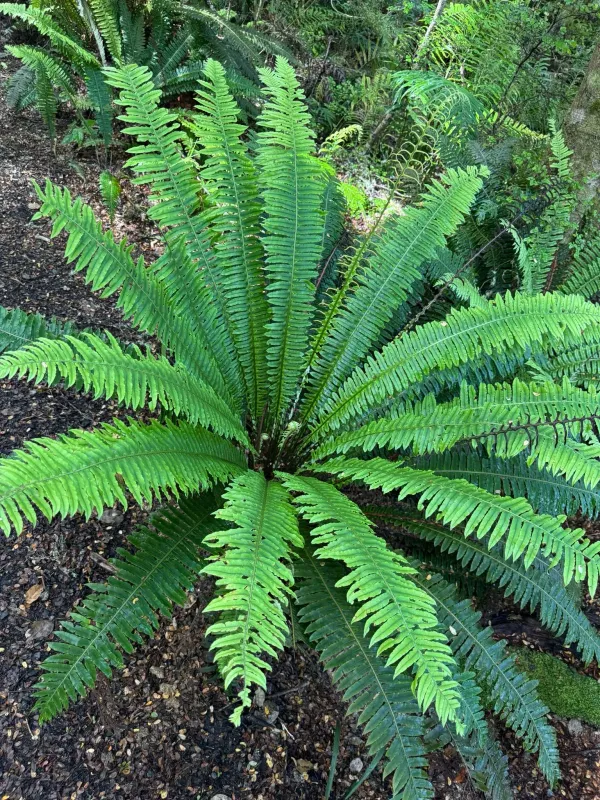
Blechnum discolor, commonly known as the crown fern, is an elegant species belonging to the Blechnaceae family. Native to New Zealand, this fern is highly valued in horticulture for its distinct rosette growth habit and its dark green, leathery fronds that contrast beautifully with its darker, central core.
To cultivate this fern successfully, you must replicate its natural forest-floor environment. It thrives in well-drained, acidic soil rich in organic matter. A mixture of peat, leaf mold, and perlite is ideal for ensuring that the roots remain moist without becoming waterlogged, which is a major risk for this species.
Temperature and light management are critical for maintaining the health of Blechnum discolor. It requires shaded or semi-shaded areas, as direct sunlight can cause leaf scorch. The ideal temperature range is between 15°C and 22°C; the plant is sensitive to frost and must be protected during colder months.
Watering protocols should focus on maintaining constant, moderate soil moisture. Avoid overhead watering if ventilation is poor, as this can encourage fungal growth on the fronds. Regular misting helps to sustain the high humidity levels (ideally over 60%) that the plant needs for vigorous growth.
During the active growing season, applying a balanced, dilute liquid fertilizer every few weeks can promote lush growth. It is essential to choose fertilizers formulated for acid-loving or fern-specific plants to avoid damaging the delicate root structure with high salt concentrations.
Main diseases and pests
Common pests affecting Blechnum discolor include scale insects and mealybugs. These pests hide in the crevices of the crown and under the fronds, making them difficult to spot. Early detection and the use of horticultural oils or systemic insecticides are recommended for control.
Fungal issues such as root rot and leaf spot are typically consequences of improper drainage or poor air circulation. To manage these threats, maintain a clean growing environment, ensure the potting medium is light and aerated, and avoid crowding the plants in high-density greenhouse setups.