
Blechnum colensoi
Blechnum colensoi
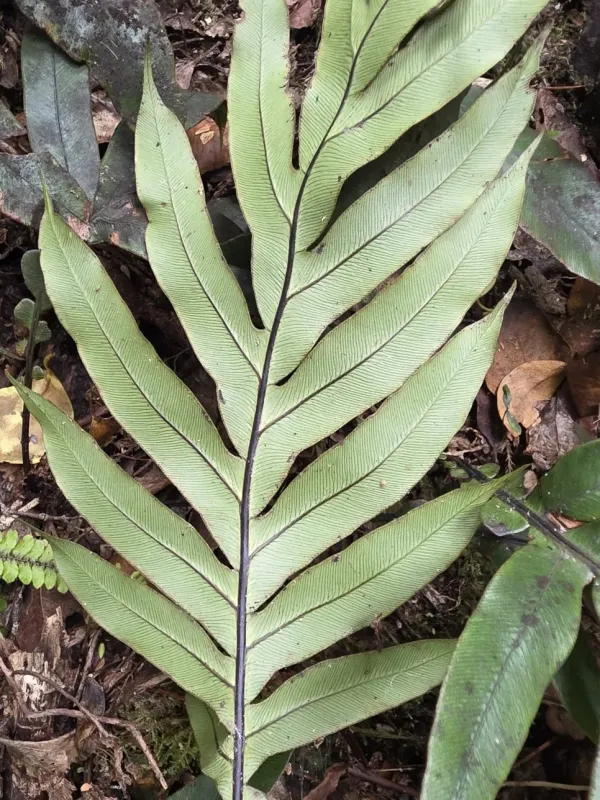
Description
Growing requirements
Blechnum colensoi is a distinct member of the Blechnaceae family, native to the lush, temperate forests of New Zealand. As a botanical specimen, it requires precise conditions to thrive, reflecting its specialized natural habitat.
The cultivation of this fern depends heavily on maintaining high humidity levels, ideally above 70%. It is not a plant that tolerates dry environments, making it suitable for greenhouses or controlled indoor environments rather than open landscaping.
Soil requirements for Blechnum colensoi are specific: it prefers a well-aerated, moisture-retentive medium with a slightly acidic pH. A mix based on sphagnum peat, pine bark, and perlite provides the necessary structure and drainage to prevent root issues.
Regarding light, this plant is an understory specialist. It must be kept in partial shade, as direct solar radiation can bleach its foliage and cause physiological stress. Diffused, indirect light is the gold standard for maintaining its deep green color.
Temperature management is critical for the success of this crop. Maintaining a stable range between 15°C and 20°C is recommended. Exposure to heat waves or cold snaps will quickly manifest as wilted or browned tips on the fronds.
Main diseases and pests
Root rot, primarily caused by waterlogged soil and inadequate aeration, is the most significant threat to Blechnum colensoi. Ensuring the substrate does not compact over time is essential for the longevity of the plant.
Pests such as mealybugs and scale insects are common adversaries in greenhouse cultivation. They tend to settle in the dense centers of the fern, where they are shielded from topical treatments, requiring systemic care or physical removal.
Spider mites are a persistent problem in drier conditions. These tiny pests pierce the fronds to extract sap, leading to stunted growth and yellowing patches. Consistent humidity control remains the best preventative measure against them.
Fungal leaf spots can occur when the fronds remain wet for extended periods in stagnant air. Improving circulation via fans or regular airing of the growth area significantly mitigates the risk of these infections.
Nutritional imbalances, while not an immediate killer, weaken the plant's ability to resist secondary infections. Providing a balanced, dilute liquid fertilizer during the active growing season is vital for maintaining a robust plant structure.