
Blechnum chambersii
Blechnum chambersii
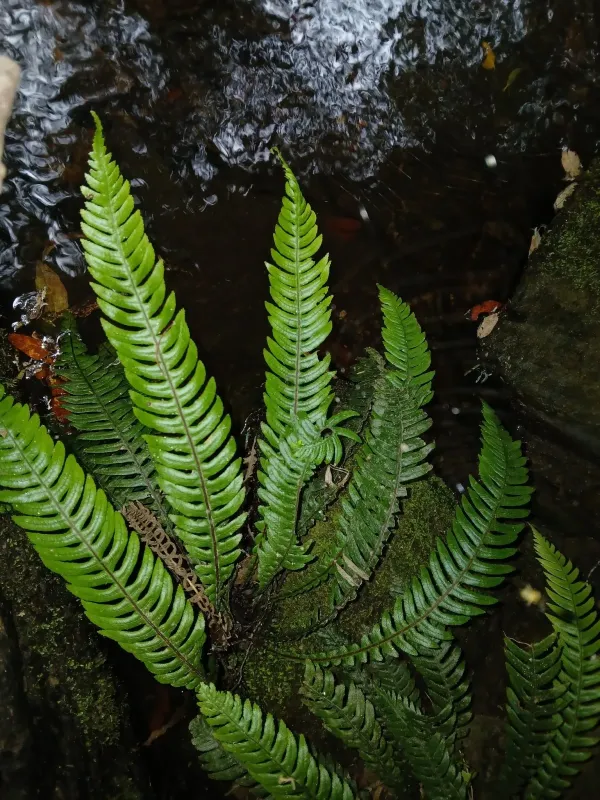
Description
Growing requirements
Blechnum chambersii is an elegant fern species belonging to the family Blechnaceae. It is native to the temperate rainforests of New Zealand and parts of Australia, where it thrives in shaded, moist environments under the forest canopy.
The cultivation of this fern requires a highly controlled microclimate. It demands consistent high humidity and protection from direct sunlight, which can quickly desiccate the delicate, arching fronds of the plant.
The ideal soil substrate for Blechnum chambersii should be well-draining, airy, and rich in organic matter. A mixture of peat moss, perlite, and decomposed leaf mold creates the perfect balance for healthy root development.
Temperature management is critical for the long-term vitality of the plant. It performs best in cooler to moderate indoor temperatures, avoiding extreme heat sources or drafts that could cause physiological stress to the fern.
Irrigation protocols should focus on maintaining a consistently moist, but not waterlogged, root zone. Using distilled or rainwater is highly recommended, as the plant can be sensitive to chemicals often found in tap water.
Main diseases and pests
Common pests that may affect Blechnum chambersii include scale insects, mealybugs, and spider mites. These pests thrive in environments with poor air circulation and low humidity, making frequent monitoring essential.
Fungal issues, particularly root rot, are the most significant threat to the plant's health. This is almost exclusively caused by overwatering or the use of heavy, non-porous soil that retains too much moisture for too long.
Effective pest management involves integrated control strategies, such as physical removal of pests followed by the application of horticultural oils if the infestation persists. Chemical treatments should be used sparingly.
Preventive maintenance includes keeping the foliage clean from dust and ensuring that the plant has adequate space. Proper spacing allows for the air movement required to inhibit the growth of mildew and other fungal pathogens.
If fungal spots appear on the fronds, it is advisable to trim the affected parts and adjust the watering schedule immediately. Maintaining a sterile growing environment is key to minimizing the occurrence of these threats.