
Blechnum capense
Blechnum capense
Description
Growing requirements
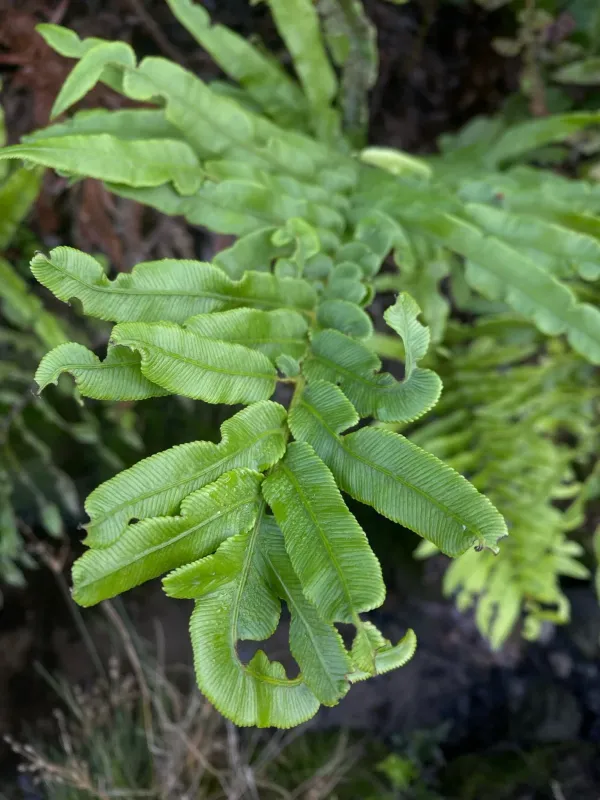
Blechnum capense, a member of the Blechnaceae family, is a distinct fern species widely recognized for its leathery fronds and unique coloration. Native to the Southern Hemisphere, including regions in South Africa and Oceania, this fern naturally thrives in humid, shaded environments.
The botanical highlight of this plant is the dimorphic nature of its fronds and the striking coppery-red color of new growth. As the plant matures, the fronds transition to a deep, glossy green, forming a dense and attractive cluster that serves as a focal point in shade gardens or greenhouses.
In terms of climatic requirements, this fern prefers stable temperatures ranging from 18 to 24 degrees Celsius. It is not cold-hardy in many regions, necessitating indoor protection during winter months or controlled environments in temperate zones to ensure year-round development.
Soil composition is critical for the health of Blechnum capense; it requires a well-draining, acidic substrate rich in organic matter. A mixture of peat moss, perlite, and pine bark creates the ideal balance of aeration and moisture retention that the root system demands.
Consistent moisture is vital, yet waterlogging must be avoided at all costs. The fern requires a high humidity level, often exceeding 60 percent, making regular misting or the use of a humidity tray a standard practice in cultivation to prevent tip burn and frond dehydration.
Main diseases and pests
Scale insects are common pests for Blechnum capense, often adhering to the stalks and undersides of the fronds. These pests feed on the plant's sap, leading to stunted growth and yellowing; they require persistent monitoring and application of horticultural oils or systemic insecticides.
Spider mites are a major threat, particularly in environments where air humidity is low. These microscopic pests create fine webbing and cause the foliage to lose its luster and turn brittle, necessitating frequent misting and the use of appropriate miticides when an infestation is detected.
Root rot is the most prevalent disease, typically caused by overwatering or compacted soil that limits oxygen exchange. Preventive measures include using high-quality potting mixes, ensuring proper pot drainage, and allowing the top layer of the substrate to dry slightly before the next watering cycle.
Fungal leaf spots can occur when foliage remains wet for extended periods in stagnant air. Proper ventilation is essential to minimize the risk of pathogen spread, and affected fronds should be removed promptly to prevent the infection from reaching the main stem or crown of the fern.
Mealybugs can infest the plant, hiding in the crevices between the fronds and the crown. If left untreated, they can compromise the plant's vitality; manual removal with a cotton swab soaked in isopropyl alcohol is often effective for smaller infestations before resorting to chemical treatments.