
Blechnum appendiculatum
Blechnum appendiculatum
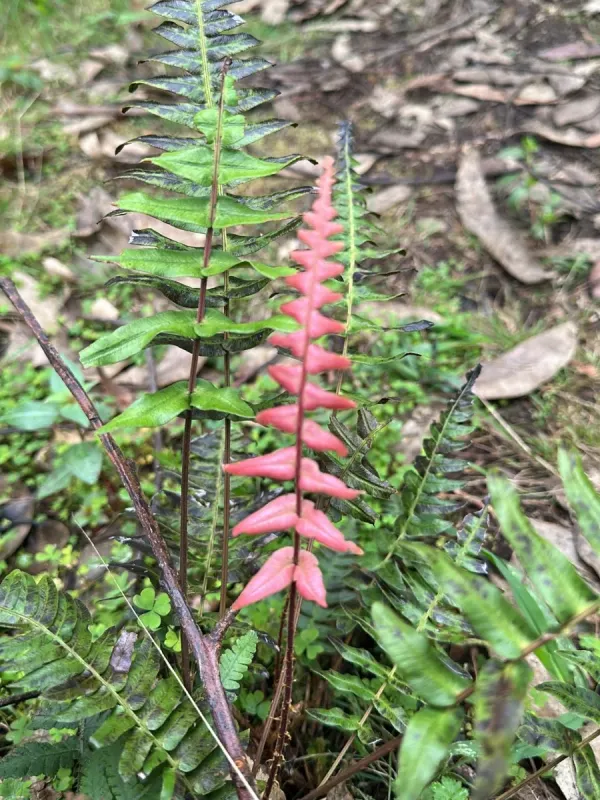
Description
Growing requirements
Blechnum appendiculatum is a perennial fern species belonging to the Blechnaceae family. Native to tropical regions of the Americas, it is highly valued for its elegant fronds and complex leaf structure.
The plant thrives in high humidity environments, reflecting its natural habitat. It is essential to maintain ambient humidity levels above 60% to prevent the delicate foliage from drying out or browning at the edges.
In terms of soil, this fern requires a well-draining, acidic growing medium. A mixture of peat moss, pine bark, and perlite provides the necessary aeration and moisture retention that the root system demands.
Temperature management is crucial; the plant prefers a temperate tropical range between 18°C and 24°C. Avoid exposing the plant to drafts or extreme temperature fluctuations, which can trigger stress and slow growth.
Light requirements for Blechnum appendiculatum are best described as filtered or indirect light. Direct sunlight should be avoided at all costs, as it will scorch the fronds and disrupt the photosynthetic process.
Main diseases and pests
Scale insects are a primary pest concern for this fern. They often attach themselves to the midrib of the fronds, sapping plant energy and requiring manual removal or systemic pesticide application.
Spider mites are notorious for attacking ferns in dry conditions. Keeping the foliage misted and maintaining clean growing surfaces are effective ways to mitigate mite infestations.
Root rot, typically caused by overwatering or poor container drainage, is the most common physiological disorder affecting this species. It is imperative to allow the top inch of soil to dry slightly before irrigating.
Fungal leaf spots can appear if moisture remains on the fronds for too long without adequate air circulation. Improving airflow is key to preventing these pathogens from spreading.
To keep the plants healthy, implement a regular bi-weekly inspection schedule to check the undersides of the leaves for early signs of pest activity or discoloration.