
Climbing spleenwort
Asplenium scandens
Description
Growing requirements
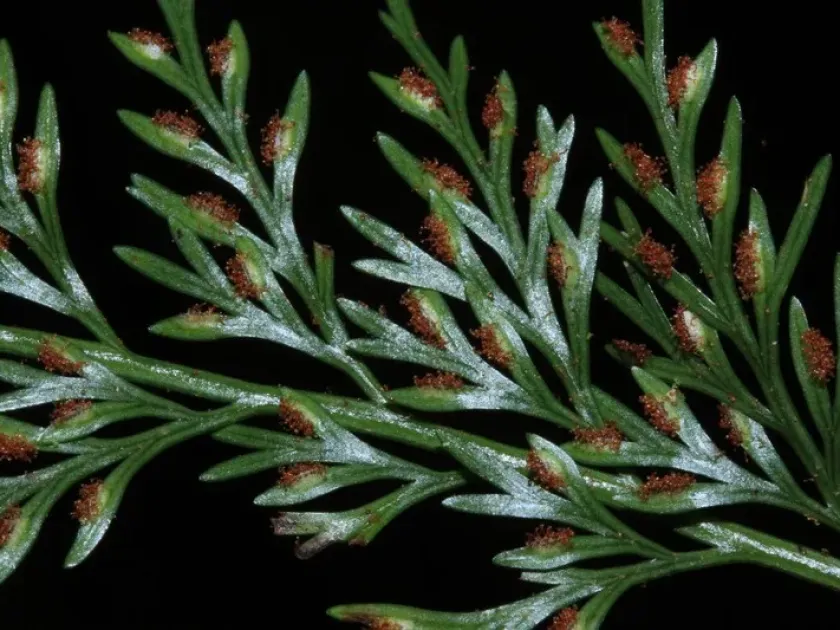
Climbing spleenwort (Asplenium scandens) is an elegant epiphytic fern belonging to the Aspleniaceae family. This species originates from the tropical rainforests of the Pacific region, particularly native to New Zealand, where it climbs tree trunks to reach filtered sunlight.
The plant is distinguished by its creeping rhizomes and long, lush fronds that provide a unique aesthetic appeal. In cultivation, it requires a controlled environment that mimics the humid, stable conditions of its native high-canopy habitats.
Requirements for successful growth include high ambient humidity and consistently moderate temperatures between 18°C and 24°C. Sudden drafts or significant temperature fluctuations can cause the delicate fronds to wither or drop.
The planting medium must be highly porous and lightweight to prevent root asphyxiation. A specialized mix of orchid bark, high-quality peat, perlite, and dried sphagnum moss is recommended to ensure adequate drainage and aeration for the root system.
Regarding light, this fern thrives in medium to low indirect light. It should be kept away from direct sun exposure, as the UV intensity can easily bleach the fronds and lead to permanent damage to the leaf structure.
Main diseases and pests
The most common pests associated with Asplenium scandens are scale insects and spider mites. These pests thrive in indoor conditions, particularly where air circulation is poor, necessitating regular inspection of the underside of the fronds.
Root rot remains the most significant health threat for this species, usually caused by overwatering or soil that retains too much moisture. Ensuring that the container has sufficient drainage holes and the medium is not compacted is vital for disease prevention.