
Wall-rue
Asplenium ruta-muraria
Description
Growing requirements
Wall-rue (Asplenium ruta-muraria) is a perennial fern belonging to the family Aspleniaceae. This species is widely recognized as a classic rock garden plant, noted for its ability to thrive in extremely inhospitable environments such as mortar cracks, limestone outcrops, and old stone walls.
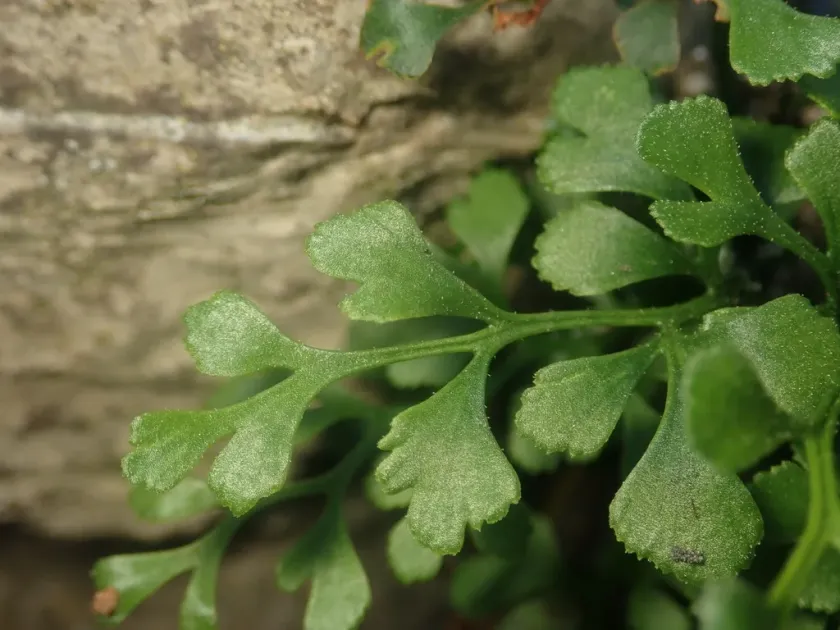
Botanically, the plant is characterized by its compact habit and leathery, blue-green, bipinnate fronds. It is an obligate calcicole, meaning it naturally occurs on calcium-rich substrates. Its evolutionary adaptation to alkaline environments is a key factor to consider when introducing it to a garden setting.
In terms of cultivation, Wall-rue demands a specialized growing medium. A mixture of lime chippings, grit, and minimal organic matter is essential. The substrate must be porous and perfectly draining, as stagnant moisture around the crown can lead to rapid decay of the plant tissues.
Climatic requirements involve cool to moderate temperatures and a high degree of ambient humidity. While the species is cold-hardy, it performs best in positions that mimic its native crevices, offering protection from direct harsh sunlight while ensuring good airflow to prevent fungal outbreaks.
The agrotechnical maintenance of this fern is relatively low. Given its slow growth rate, the primary focus is on preserving the integrity of the substrate and avoiding any acidification of the environment. Propagation is typically achieved through spores, a process that requires a controlled environment with high humidity.
Main diseases and pests
The most significant threats to Wall-rue are diseases related to poor drainage, specifically root rot and crown rot caused by fungi such as Phytophthora or Pythium. Maintaining a precise irrigation regime is the most effective management strategy against these pathogens.
Common pests include slugs and snails, which can cause significant mechanical damage to the fronds. In addition, aphid infestations may occur in protected cultivation, requiring prompt treatment with insecticidal soaps or biological control agents to preserve the plant's aesthetic value.