
Single-sorus spleenwort
Asplenium monanthes
Description
Growing requirements
The single-sorus spleenwort (Asplenium monanthes) is a hardy perennial fern species within the Aspleniaceae family. It is native to tropical and subtropical mountainous regions, spanning across Africa, the Americas, and parts of the Pacific, where it thrives in moist, rocky habitats.
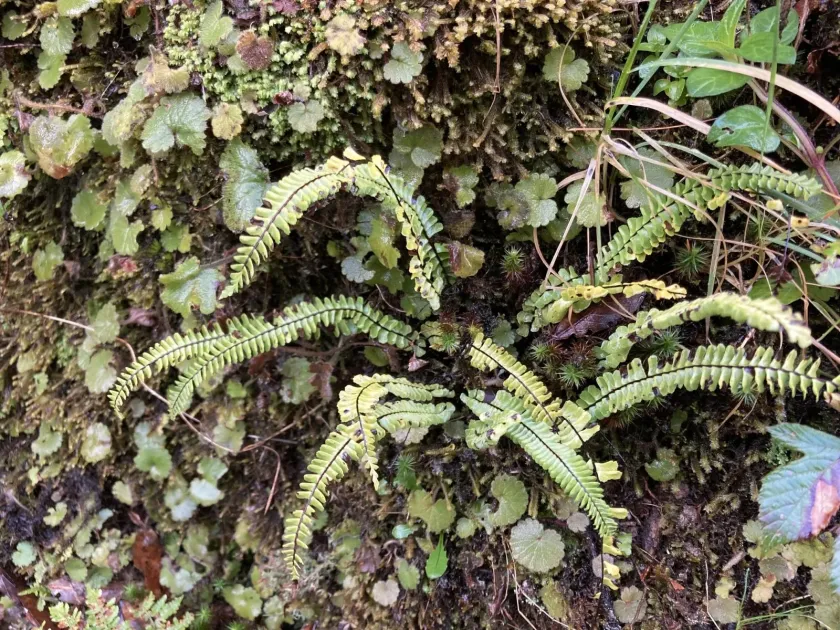
Botanically, the plant is characterized by its slender, pinnate fronds that can grow up to 50 cm in length. The name refers to the distinctive arrangement of the sori, which appear as single, solitary dots on the underside of each leaf segment.
Climate requirements focus on high humidity levels and stable, moderate temperatures. The plant performs best in a greenhouse or shaded indoor environment where temperatures are maintained between 18°C and 23°C throughout the year.
Soil management is critical for the survival of this species. The ideal growth medium is a porous, well-draining potting mix composed of peat moss, pine bark, and perlite, which ensures adequate oxygenation for the root system.
Cultural practices include consistent watering to keep the substrate moist but not waterlogged. Because this fern is epiphytic in nature in many of its native habitats, it requires good air circulation to prevent moisture-related stress.
Main diseases and pests
Pathogens and pests often manifest when environmental conditions are suboptimal. The most common threats are mealybugs and scale insects, which hide under the fronds and sap the energy from the plant, causing stunted growth.
Root rot, triggered by overwatering or poor drainage, remains the primary cause of plant death. Preventing fungal infections requires keeping the foliage dry while maintaining atmospheric humidity and ensuring the pot allows for excess water to drain away.