
Heart-leaf spleenwort
Asplenium cardiophyllum
Description
Growing requirements
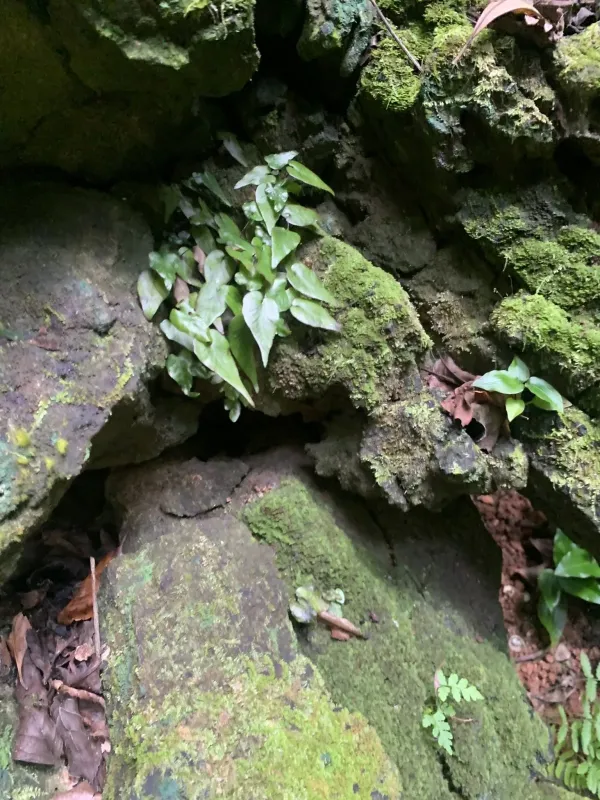
The Heart-leaf spleenwort (Asplenium cardiophyllum) is a perennial fern belonging to the Aspleniaceae family. It is native to the humid forested regions of East Asia, where it typically thrives in shaded, moist habitats as an epiphyte or lithophyte.
In cultivation, the species requires a stable temperature range between +18°C and +24°C. It is highly sensitive to cold drafts and sudden thermal fluctuations, which can lead to rapid senescence of the fronds.
High relative humidity is essential for this plant, ideally maintained between 60% and 75%. Supplemental misting or the use of pebble trays is recommended to ensure the plant remains hydrated in indoor environments.
The substrate must be light, airy, and well-draining. A mix consisting of peat moss, pine bark, and perlite provides the necessary aeration for the sensitive root system, preventing the risk of hypoxia.
Light requirements are relatively low; the plant performs best in indirect, diffused light. Direct exposure to intense sunlight will scorch the heart-shaped foliage, causing permanent aesthetic and physiological damage.
Main diseases and pests
Scale insects and mealybugs are the primary pests affecting Asplenium cardiophyllum. These insects aggregate on the undersides of leaves and at the base of the fronds, where they deplete plant sugars.
Root rot, often caused by Rhizoctonia or Pythium, is the most common pathology resulting from overwatering and poor drainage. This condition quickly leads to the collapse of the plant's vascular system.
Fungal leaf spot diseases may occur if the foliage remains wet for extended periods in low-light conditions. Providing adequate air circulation is critical to prevent the development of such pathogens.
Spider mites are common during winter months when indoor heating causes humidity to drop. Infestations are characterized by stippling on the leaves and the presence of fine webbing.
Treatment involves physical removal of pests followed by the application of horticultural soaps or systemic insecticides. Infected plant material must be removed immediately to stop the spread of potential bacterial or fungal infections.