
Orbea halipedicola
Orbea halipedicola
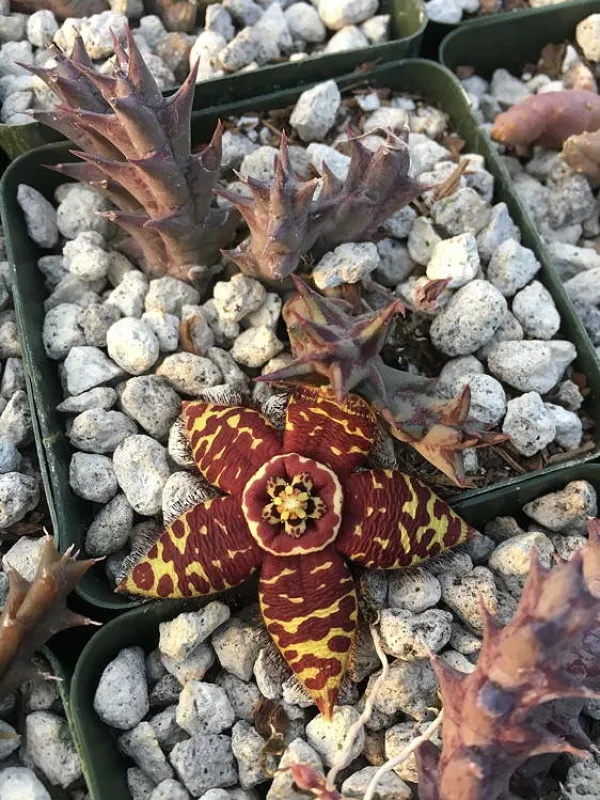
Description
Growing requirements
Orbea halipedicola is a fascinating succulent species belonging to the Apocynaceae family. Native to the arid landscapes of Southern Africa, it has evolved to thrive in rocky environments where water availability is highly seasonal and limited.
The botanical structure of this plant includes thick, ribbed stems that function as succulent storage organs. These stems are highly adapted to endure drought, utilizing crasulacean acid metabolism to optimize water usage throughout the growing season.
When cultivating Orbea halipedicola, it is essential to use a highly porous, well-draining soil mix. A substrate consisting primarily of inorganic materials such as pumice, coarse sand, and grit is highly recommended to mimic its natural mineral-rich habitat.
Climate requirements for this species include bright, indirect sunlight and consistently warm temperatures. Exposure to prolonged cold or damp conditions must be avoided, as the plant is extremely prone to tissue breakdown and rot when stressed.
Watering frequency should be strictly monitored, following the "soak and dry" method. It is crucial that the root zone is completely dry between irrigation cycles, especially during the winter dormancy phase, to prevent the proliferation of pathogenic microorganisms.
Main diseases and pests
The primary threats to Orbea halipedicola are fungal pathogens which typically proliferate under conditions of high humidity and poor aeration. Root rot and stem basal rot are the most common fatal issues encountered in indoor or greenhouse cultivation.
Mealybugs represent the most significant pest challenge for this species, as they tend to congregate in the crevices between the stem ribs. Because of their cryptic nature, these pests can multiply rapidly before they are detected by the grower.
Spider mites can also become a problem if the ambient air remains excessively dry for extended periods. Regular inspection of the plant's surface and maintaining proper ventilation are key strategies to prevent these pests from establishing colonies.
Integrated pest management should involve physical removal of pests followed by the application of targeted insecticides if infestation levels are high. Always ensure that the treatment products are safe for succulent species to avoid phytotoxic damage.
Long-term health is best achieved by adhering to the plant's natural growth cycle. Providing a distinct dry winter rest period encourages the plant to maintain its structural integrity and enhances its natural defenses against common horticultural pests and diseases.