
Orbea decaisneana
Orbea decaisneana
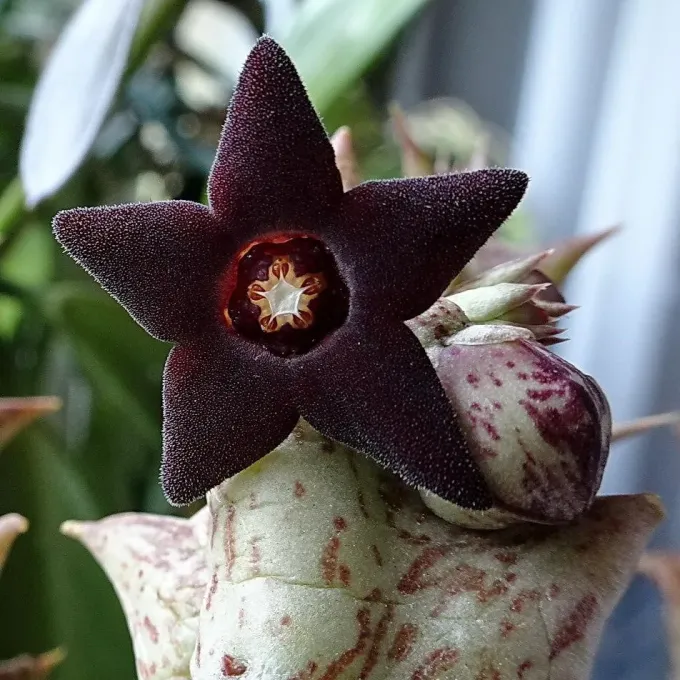
Description
Growing requirements
Orbea decaisneana is a succulent plant species within the Apocynaceae family. Native to arid regions of Africa, this plant has evolved to thrive in environments with prolonged drought, making it a highly resilient species for specialized cultivation.
The botanical structure of the plant is characterized by fleshy, upright stems with a distinct texture. These stems serve as the primary photosynthetic organs, as the plant lacks true leaves, a trait that allows it to maintain water balance in harsh, sun-drenched habitats.
Successful cultivation requires a well-draining, mineral-rich substrate, often utilizing a mix of pumice, sand, and horticultural grit. Proper drainage is the most critical factor to prevent moisture accumulation around the root zone.
Light requirements for Orbea decaisneana are high; it thrives in bright, indirect light but can tolerate direct morning sun. During the winter dormancy period, temperatures should be kept cooler to mimic its natural cycle and prepare the plant for spring growth.
This species is primarily utilized as an ornamental specimen in succulent collections. Its unique morphology and adaptation strategies make it a focal point for botanical enthusiasts who focus on xerophytic plant groups.
Main diseases and pests
The most significant threat to Orbea decaisneana is fungal decay, which manifests as stem rot, usually caused by overwatering or poor ventilation. Once the stem tissue begins to decay, the plant often requires urgent propagation from healthy cuttings to survive.
Mealybugs and spider mites are the most common pests found on this succulent. These insects suck the sap from the stems, leaving behind scarred tissue and reducing the overall vigor of the plant, potentially inviting secondary infections.
Integrated pest management involves the use of systemic insecticides or neem oil, applied cautiously to avoid burning the plant's surface. Regular inspection of the stem crevices is recommended to detect infestations at an early stage.
Maintaining a sterile environment is essential. Using contaminated soil or dirty tools during repotting can easily introduce pathogens that the plant may not be able to overcome in its sensitive stage.
Environmental stress, such as sudden changes in temperature or insufficient light, can lead to etiolation. While not a disease, etiolation weakens the structure of the stems, making them more susceptible to physical damage and pest attacks over time.