
Kopsia singapurensis
Kopsia singapurensis
Description
Growing requirements
Kopsia singapurensis is an evergreen shrub or small tree belonging to the Apocynaceae family. This species originates from the tropical regions of Southeast Asia, specifically found in the dense, humid forests of the Malay Peninsula and Singapore, where it thrives in warm and stable conditions.
The plant requires high humidity and consistently warm temperatures for optimal health. Cultivation success depends on providing well-drained, nutrient-rich soil with a slightly acidic to neutral pH level. Proper aeration of the root system is crucial to prevent common tropical soil ailments.
Regarding light, Kopsia prefers bright, indirect sunlight. While it can tolerate some shade, excessive low-light conditions may limit its flowering potential. Protection from harsh, direct midday sun is necessary to preserve the luster and health of its deep green, leathery leaves.
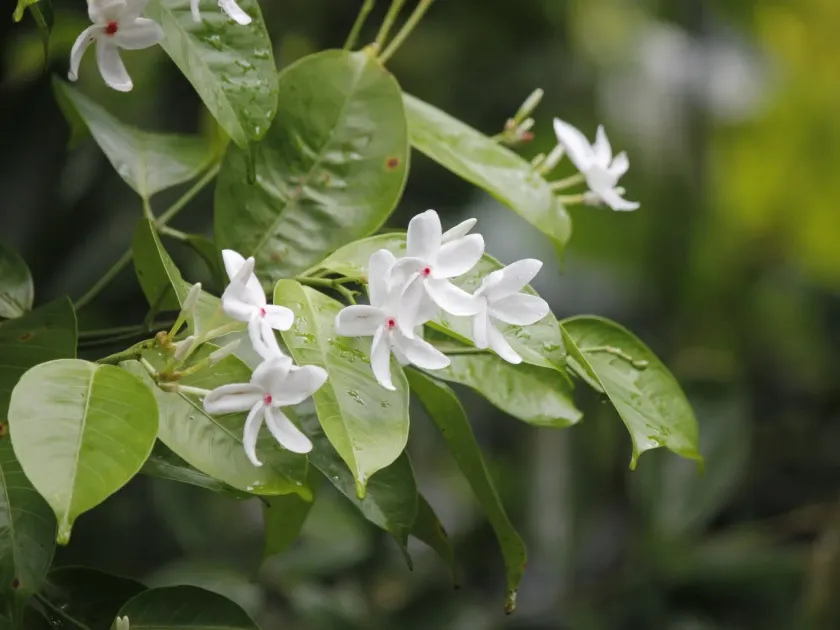
Agronomic management involves consistent irrigation schedules, ensuring the soil remains moist without becoming waterlogged. Balanced fertilizers applied during the growing season help sustain robust growth and the development of its distinctive white, funnel-shaped flowers.
In terms of usage, this plant is primarily valued for its high ornamental qualities. It serves as a beautiful accent plant in tropical gardens, a foundation shrub for landscaping, or can be kept in containers where the climate does not permit outdoor year-round growth.
Main diseases and pests
Typical threats for this crop include fungal infections associated with improper drainage and poor air circulation. Root rot is the most common disease, often triggered by over-irrigation or planting in compacted, heavy soils that do not allow for adequate water outflow.
Pests that frequently infest Kopsia include spider mites, which thrive in low-humidity environments, and sap-sucking insects like mealybugs or scale insects. These pests can cause yellowing of leaves, stunted growth, and the loss of the plant's natural vigor if left untreated.
Prevention involves regular monitoring and maintaining optimal environmental conditions. It is essential to prune away dead or infected branches promptly to prevent the spread of pathogens throughout the canopy or to neighboring plants in a garden setting.
Control strategies for pests include the application of horticultural oils, soaps, or systemic insecticides when necessary. For fungal issues, fungicidal treatments should be accompanied by a revision of the irrigation practices to eliminate the underlying moisture problem.
By providing a stable environment with appropriate nutrition and monitoring for signs of stress, growers can ensure that Kopsia singapurensis remains a healthy, attractive, and resilient addition to any landscape or collection.