
Kopsia fruticosa
Kopsia fruticosa
Description
Growing requirements
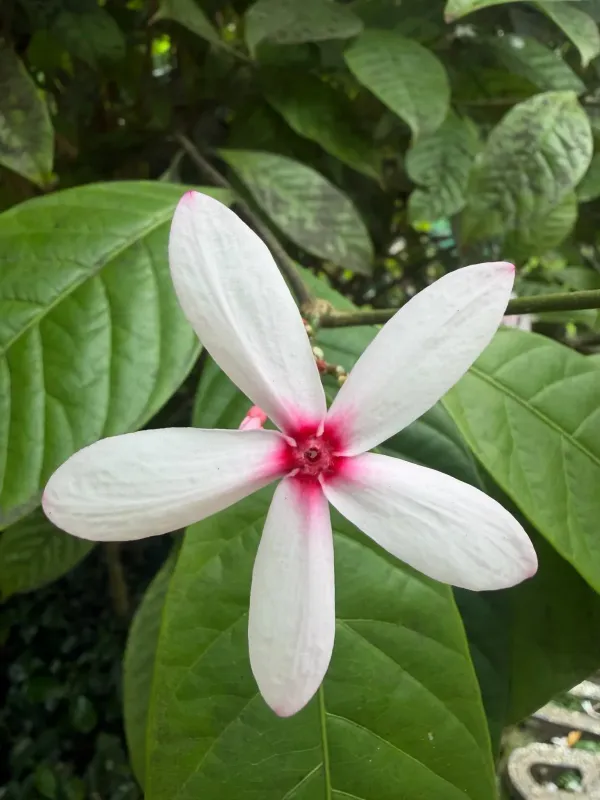
Kopsia fruticosa is a prominent member of the Apocynaceae family, known for its attractive pink, salver-shaped flowers. This evergreen shrub serves as a vital ornamental crop in tropical and subtropical landscaping worldwide.
Originating from the tropical forests of Southeast Asia, the plant thrives in humid conditions. It requires consistent temperatures, preferably ranging from 20 to 30 degrees Celsius, as it lacks cold hardiness and cannot survive exposure to frost.
Optimal growth is achieved in well-draining, nutrient-rich soil. Farmers and gardeners should ensure the substrate has a slightly acidic to neutral reaction, which prevents nutrient deficiencies and promotes vigorous development of the canopy.
Agrotechnical practices require consistent hydration, especially during the peak flowering season. However, waterlogging must be strictly avoided, as the root system of Kopsia fruticosa is prone to oxygen starvation and subsequent decline if the soil remains saturated.
The economic value of this crop is primarily found in the nursery trade and urban beautification. It is highly valued for its dense, glossy foliage and its ability to bloom almost year-round in favorable climates, making it a staple in tropical park design.
Main diseases and pests
The most common pests affecting this shrub are aphids and spider mites, which can cause significant damage to young foliage. Integrated pest management programs are recommended to maintain plant health.
Fungal diseases, particularly root rots caused by Phytophthora species, represent a major risk in nurseries. Maintaining sterile growing environments and careful irrigation management are critical to preventing these infections.