
Kopsia flavida
Kopsia flavida
Description
Growing requirements
Kopsia flavida is an evergreen shrub belonging to the Apocynaceae family. Native to the tropical regions of Southeast Asia, this species thrives in humid forest environments and requires conditions that mimic its natural habitat.
The plant is strictly tropical and requires temperatures consistently above 15°C. It is highly susceptible to cold stress and cannot survive in regions with frost or prolonged cool weather, making it suitable only for specific climate zones or greenhouse cultivation.
Soil requirements involve a rich, well-draining substrate that retains moisture without becoming waterlogged. A neutral to slightly acidic pH level is ideal to ensure optimal nutrient uptake, particularly for iron and magnesium availability.
Light exposure is a critical factor for success; while it prefers bright light, direct exposure to harsh midday sun should be avoided to prevent leaf scorching. Partial shade or filtered sunlight is generally considered the best growing condition.
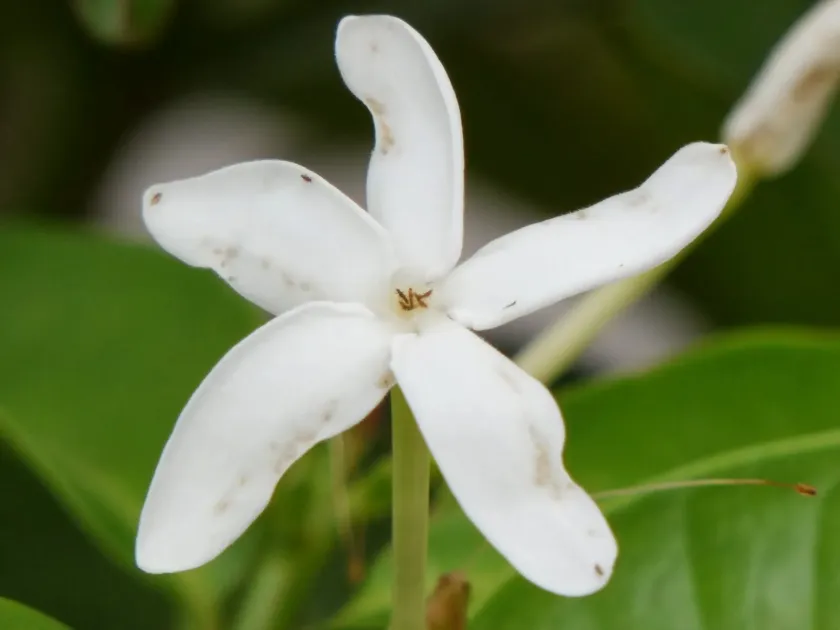
The plant is valued for its ornamental appeal, characterized by glossy foliage and delicate flowers. It serves as a significant botanical feature in tropical landscaping, often utilized in botanical gardens and private estates as a decorative perennial.
Main diseases and pests
Common pests associated with this species include scale insects and mealybugs. These pests typically cluster on the undersides of leaves and stems, requiring systematic insecticidal applications or manual removal to maintain plant health.
Root rot remains the most common threat, primarily caused by poor drainage or overwatering. Maintaining a proper watering cycle and ensuring the soil remains porous are essential to preventing fungal development in the root zone.