
Gomphocarpus sinaicus
Gomphocarpus sinaicus
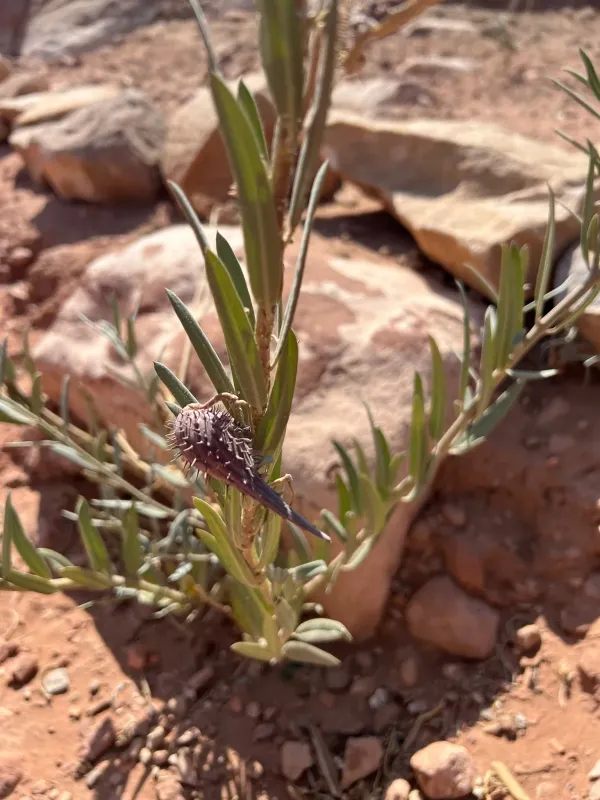
Description
Sowing dates
Sowing of Gomphocarpus sinaicus seeds is typically performed in the spring when soil temperatures reach 15-18 degrees Celsius. To obtain high-quality planting material, it is crucial to ensure optimal light exposure, as the plant is extremely photophilic.
In greenhouse conditions, seeds are sown in a nutrient-rich substrate amended with sand to improve drainage and aeration. Germination occurs under stable temperatures, usually resulting in uniform seedling emergence within 2 to 3 weeks.
When using a seedling transplant method, pricking out is performed after the first pair of true leaves appears. The plant is sensitive to root disturbance, which makes the use of peat pots highly recommended to minimize transplant shock.
Transplanting into the open field is conducted after the risk of late spring frost has completely passed. The selected site must be shielded from strong winds and provide full-day exposure to direct sunlight.
Planting density is adjusted based on the intended use: for ornamental purposes, more spacing is allowed, while for biomass or seed production, the spacing can be reduced to 30-40 centimeters between individual plants.
Growing requirements
Gomphocarpus sinaicus is a perennial subshrub belonging to the Apocynaceae family. Native to the arid regions of the Middle East and North Africa, it has evolved to be highly tolerant of drought and low-moisture environments.
The crop thrives in well-drained, sandy, or loamy soils with a neutral to slightly alkaline pH level. Waterlogging is detrimental to the root system, making site selection on slopes or areas with natural drainage essential for long-term health.
Consistent, intense sunlight is vital for normal development. Shade causes the stems to elongate excessively and lose structural integrity, while flowering intensity decreases significantly, directly impacting the quality of the harvested product.
Mineral fertilization should be applied with caution, focusing on potassium and phosphorus to strengthen cell walls and overall plant resilience. Excessive nitrogen promotes vegetative growth at the expense of fruit production.
Climatic requirements involve high summer temperatures and low air humidity. In temperate regions, the plant requires winter protection or must be moved to a greenhouse, as it cannot withstand frost or freezing temperatures.
Yield
The economic value of Gomphocarpus sinaicus lies in its fruit—distinctive, inflated follicles often used in the floristry industry for exotic arrangements. Yield is determined by the number and quality of fruits produced per plant.
Adhering to strict agronomic standards allows for significant yields of decorative material. High-quality follicles feature a tough, durable skin and exhibit excellent shelf-life during transport and commercial handling.
Beyond its ornamental value, the plant is a potential source of fiber. The stems contain strong bast fibers that could be utilized in the textile industry, though commercial-scale extraction remains limited to niche applications.
Seed production is generally high, facilitating the efficient multiplication of the culture. Harvesting of seeds is carried out at the stage of full follicular maturity when the fruit begins to change color and toughen.
Economic efficiency depends heavily on market demand for dried flowers and decorative components. In specialized agricultural operations, the plant provides stable revenue through professional post-harvest processing of the raw material.
Main diseases and pests
The primary pests affecting this crop include sap-sucking insects, specifically aphids and spider mites. These parasites thrive in hot, dry weather and can significantly stunt growth by damaging young shoot tips and foliage.
Root rot represents a serious threat, especially when irrigation management is improper. Overwatering, particularly in cooler soil temperatures, facilitates fungal infections that lead to rapid wilting and plant decline.
Management strategies include regular phytosanitary monitoring and the prompt removal of infected plants. Maintaining optimal substrate moisture and ensuring good air circulation between plants are effective preventive measures.
Biological pest control is the preferred approach, given the crop's cultivation requirements. The use of broad-spectrum insecticides should be avoided to protect beneficial pollinators and auxiliary insects.
Viral diseases, often transmitted via tools or insect vectors, can cause leaf distortion and degrade the visual appeal of the follicles. Strict adherence to quarantine procedures and sanitation of equipment are foundational agronomic requirements.
Harvesting
Harvesting the follicles of Gomphocarpus sinaicus is conducted during dry weather once the fruits reach technical maturity but before they begin to dehisce. Harvesting too early results in loss of shape and structural collapse during drying.
Cut stems bearing the follicles are bundled and suspended in shaded, well-ventilated areas to undergo natural drying. This process preserves the natural color and geometric integrity of the follicles.
Once dried, the follicles are cleaned of debris and sorted by size and shell integrity. Proper packaging is necessary to prevent mechanical damage during storage and subsequent distribution to end-users.
When harvesting for fiber, stems are collected during the peak flowering phase or immediately thereafter to ensure the highest concentration of bast fibers. The raw stems are then subjected to retting and mechanical refinement.
Post-harvest debris should be removed from the field to reduce the buildup of inoculum. The soil requires deep cultivation and organic matter enrichment to restore fertility before the next planting cycle.