
Decalepis hamiltonii
Decalepis hamiltonii
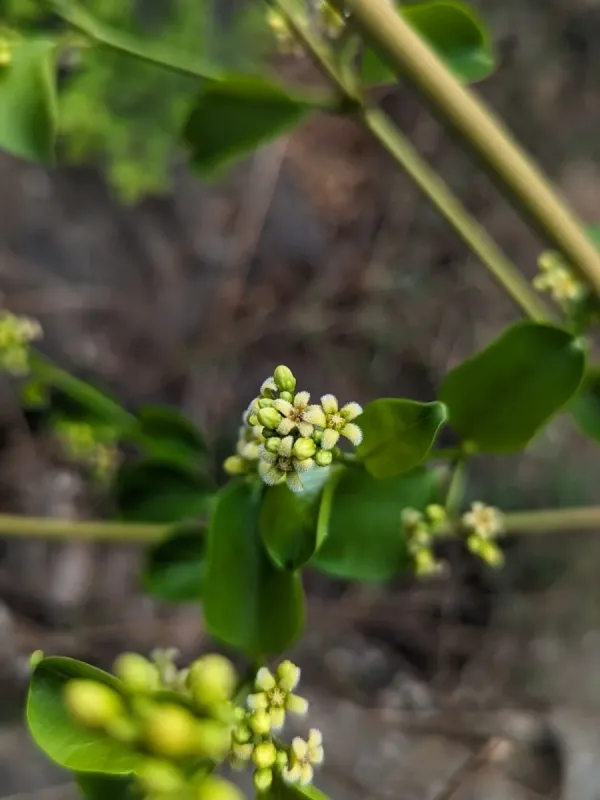
Description
Sowing dates
Decalepis hamiltonii is primarily propagated through seeds, which should be sown in nursery beds during the onset of the monsoon season. High moisture levels are essential for successful germination of the seeds in the initial phase.
Pre-treatment of seeds by soaking them in water for several hours can significantly improve germination rates. Seeds are sown in well-drained, nutrient-rich soil mixtures to ensure healthy development of the seedlings.
Once seedlings are about 3-4 months old, they are transplanted into the main field. Proper spacing is crucial to allow the plant, which is a climber, to develop its foliage and root system effectively without overcrowding.
Providing shade during the first few weeks after transplanting protects young plants from intense heat and direct sunlight. Consistent, moderate irrigation is required to help the root system establish in the new environment.
Vegetative propagation via stem cuttings is also a viable method for large-scale cultivation. Using root-promoting hormones can enhance the survival rates of cuttings in controlled greenhouse conditions.
Growing requirements
This species thrives in rocky, well-drained soils typical of its native Indian habitat. A neutral to slightly acidic soil pH is ideal for the uptake of necessary micronutrients for healthy root growth.
Decalepis hamiltonii requires plenty of sunlight for optimal synthesis of its aromatic compounds. Sites with good sun exposure are preferred, though the plant can tolerate light shade in extremely hot climates.
The optimal temperature for growth ranges between 20°C and 35°C. The plant exhibits a good degree of drought tolerance once established, due to its fleshy, succulent-like root system which stores moisture.
As a climbing shrub, it requires trellises or supports to grow vertically. This structure not only improves access to sunlight but also makes maintenance and final harvesting of the roots much easier.
Organic fertilizers, such as well-rotted manure or compost, are highly beneficial. Excessive use of chemical nitrogen fertilizers should be avoided as it encourages leafy growth at the expense of root development.
Yield
The harvestable roots reach maturity approximately three years after transplanting. Harvesting earlier than this period yields lower concentrations of essential oils, reducing the medicinal value of the product.
Yield varies based on soil quality, water availability, and management practices. With proper care, including regular weeding and soil aeration, a single mature plant can produce a significant weight of high-quality roots.
After harvesting, the plantation site should be cleaned thoroughly to remove any root remnants that might harbor diseases. Crop rotation is essential for maintaining soil health for future planting cycles.
Quality assessment is based on the characteristic aroma and taste of the root. High-quality roots should have a potent scent reminiscent of vanilla or sarsaparilla, indicating a rich content of volatile oils.
Sorted roots are graded by size before processing. Consistency in grading allows for better pricing and ensures that the final product meets the standards of pharmaceutical and food industries.
Main diseases and pests
The most significant threat to this crop is root rot caused by poor soil drainage and waterlogging. Ensuring a sloped planting site or well-drained soil structure is the primary defense against these issues.
Powdery mildew can affect the leaves during periods of high humidity and poor ventilation. Keeping the planting area clean and providing enough space between plants helps mitigate this risk significantly.
Pests like aphids and mites may occasionally attack the tender shoots. Integrated pest management, focusing on biological controls, is highly recommended to keep the harvest safe for medicinal consumption.
Nematode infestation in the soil can be a severe problem. Planting resistant cover crops or practicing proper soil solarization before planting can effectively reduce nematode populations in the root zone.
Weed competition during the first year of growth is a major obstacle. Regular manual weeding or mulching is required to prevent weeds from depriving the young plants of nutrients and moisture.
Harvesting
Harvesting involves carefully digging up the roots, taking care not to break the long, slender tubers. Damaged roots are more susceptible to decay and lose their aromatic properties more rapidly.
Once extracted, roots must be washed thoroughly to remove soil particles and debris. Soft brushes are used to clean the surface of the roots without damaging the skin, where many essential oils are concentrated.
Roots should be sliced into uniform pieces to ensure consistent drying. Uniformity is key to preventing over-drying some parts while leaving others susceptible to mold growth due to remaining moisture.
Drying is conducted in the shade with good air circulation to preserve the volatile components. Exposure to direct sunlight during drying should be avoided, as it causes the loss of vital medicinal oils.
The dried product is stored in airtight containers to preserve its flavor and medicinal efficacy. Proper storage prevents the roots from absorbing moisture and unwanted odors from the environment.