
Cascabela thevetioides
Cascabela thevetioides
Description
Growing requirements
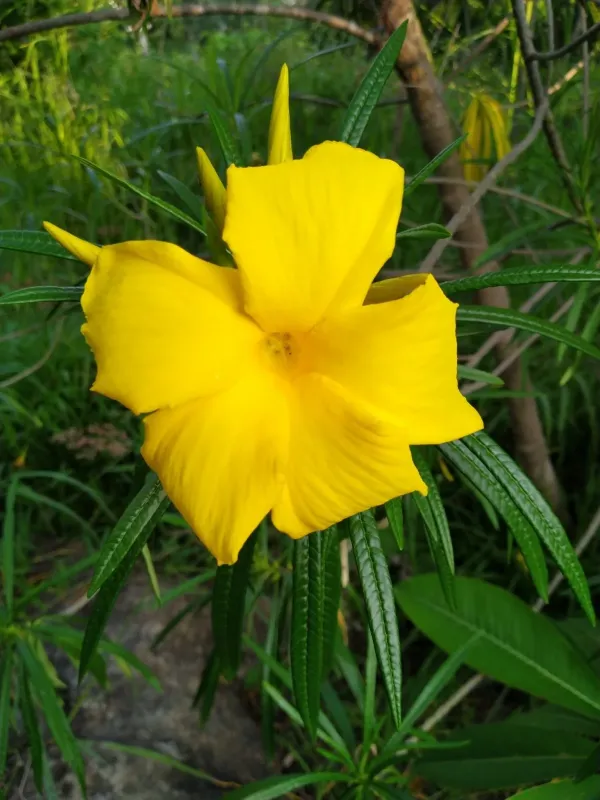
Cascabela thevetioides is a woody evergreen shrub or small tree belonging to the Apocynaceae family. Native to Mexico and Central America, it is highly valued for its striking yellow trumpet-shaped flowers and attractive foliage.
The plant thrives in full sun exposure, which is essential for stimulating flower production. It demonstrates significant tolerance to drought once established, making it a suitable choice for landscapes with limited water resources in warm climates.
Well-draining, nutrient-rich soil is a prerequisite for healthy growth. Sandy or loamy soils are ideal, as they prevent the roots from sitting in stagnant water, which is a major cause of failure in containerized or garden cultivation.
Regular maintenance includes formative pruning to manage its size and shape, as the plant can become leggy over time. It is crucial to remember that all parts of Cascabela thevetioides contain cardiac glycosides, making it toxic if ingested.
Climatically, it requires frost-free environments to flourish outdoors. In temperate zones, it must be managed as a seasonal potted plant, brought into a greenhouse or conservatory when temperatures drop during the dormant period.
Main diseases and pests
Common pests include spider mites and scale insects, which often appear during periods of low humidity or poor airflow. Regular monitoring of the foliage and application of horticultural soap can help mitigate these infestations.
Fungal issues, such as root rot, occur primarily due to overwatering or poor drainage systems. Maintaining appropriate irrigation schedules and ensuring clear drainage paths are the most effective preventive measures for these diseases.