
Ancylobothrys petersiana
Ancylobothrys petersiana
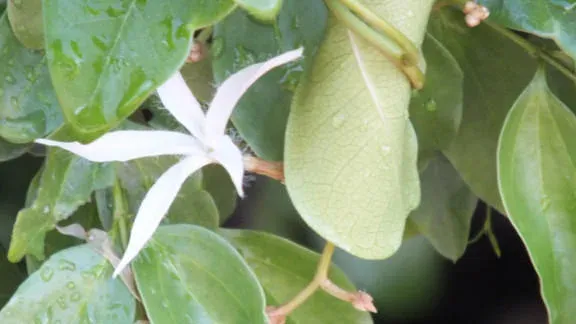
Description
Sowing dates
Propagation of Ancylobothrys petersiana is primarily achieved through seeds, as vegetative propagation via cuttings is complicated by the presence of abundant milky latex.
Seeds are sown in a well-drained substrate rich in organic matter, maintaining a stable soil temperature between 22 and 25 degrees Celsius for successful germination.
The optimal time for sowing in nurseries is at the beginning of the rainy season, which provides seedlings with the necessary environmental stability for root establishment.
It is important to note that the seeds have a relatively short viability window; therefore, they should be sown as soon as possible after being extracted from mature fruits.
Young plants require careful management and should only be transplanted to their final location once the root system is sufficiently developed to withstand environmental stress.
Growing requirements
The plant belongs to the Apocynaceae family and is a woody climber or a large shrub native to the tropical forests of East Africa.
It prefers well-lit areas with diffused sunlight, although it can tolerate partial shade if established in a healthy, natural forest canopy environment.
Soil requirements include fertile, loamy or sandy-loam soils with effective drainage, as water stagnation is detrimental to the plant's root health.
Ancylobothrys petersiana thrives in regions with moderately high temperatures and is sensitive to frost or prolonged periods of extreme drought.
In its natural habitat, the plant is adapted to seasonal rainfall rhythms, so in cultivation, irrigation control is essential to maintain steady and healthy growth.
Yield
The primary agricultural output of Ancylobothrys petersiana is its edible fruit, which features aromatic flesh with a flavor profile often compared to a blend of tropical fruits.
The fruits are valued by local communities as a significant source of vitamins, antioxidants, and carbohydrates for both fresh consumption and traditional processing.
The latex found in the stems of the plant also has a historical use as a source of natural rubber, adding to the potential economic utility of the crop.
Yield capacity heavily depends on the plant's maturity and the quality of maintenance, including proper pruning and light exposure for developing fruits.
For higher productivity, regular sanitary pruning of old or diseased branches is recommended to stimulate the development of new flowering and fruiting buds.
Main diseases and pests
Common pests include scale insects and mealybugs, which feed on the sap of young shoots and foliage, potentially weakening the plant if left unchecked.
Excessive air humidity during the fruiting season can lead to fungal infections, such as anthracnose or various types of root rot.
Pests like weevils can cause physical damage to developing fruits, significantly reducing the marketability and quality of the harvest.
Preventative measures, such as maintaining appropriate spacing between plants to ensure good airflow, are crucial for long-term health and pest control.
Integrated pest management strategies, including the use of natural predators, are preferred to minimize chemical use and ensure the ecological safety of the produce.
Harvesting
Harvesting is conducted manually when the fruits reach full biological maturity, indicated by a shift in skin color to a yellowish-orange or brown hue.
Since fruit ripening is staggered, the harvesting process requires multiple sessions to ensure all mature fruits are collected at their peak quality.
Care must be taken to prevent mechanical injury to the skin, as damaged fruits are prone to rapid dehydration and subsequent microbial degradation.
Once harvested, the fruits should be stored in a cool, well-ventilated area away from direct sunlight to maximize their shelf life and freshness.
Transportation of the harvest requires careful handling, as the soft flesh of the ripe fruit is susceptible to deformation and bruising during transit.