
Ancylobothrys capensis
Ancylobothrys capensis
Description
Growing requirements
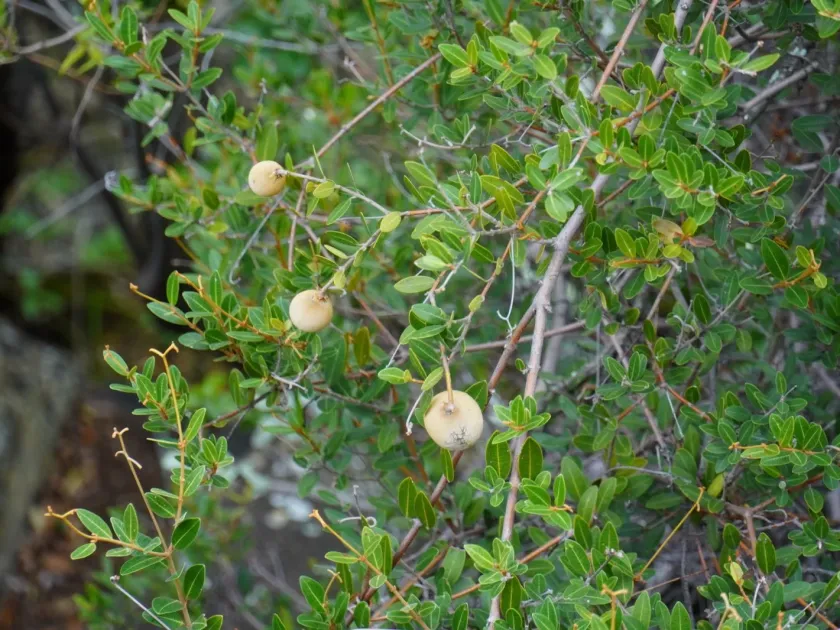
Ancylobothrys capensis is a perennial woody liana belonging to the Apocynaceae family. In its natural habitat, the plant forms dense thickets, using its tendrils to climb and support its growth.
This culture is endemic to southern Africa, where it thrives in savanna and woodland regions. The plant displays high tolerance to arid conditions, which is one of its key botanical adaptations for survival.
Successful cultivation requires abundant sunlight and well-drained sandy or loamy soils. The plant does not tolerate waterlogging, making cultivation impossible in areas with high groundwater levels.
The optimal temperature range for active growth is between 20 and 30 degrees Celsius. Ancylobothrys is sensitive to sub-zero temperatures and requires protection during frost, as the aerial parts are susceptible to damage.
Agricultural practices include regular pruning to shape the canopy and stimulate fruit production. In plantation settings, it is recommended to install sturdy trellises capable of supporting the significant weight of the plant's vines and fruits.
Yield
The fruits of Ancylobothrys capensis are large, spherical berries that can reach up to 10 centimeters in diameter. Inside the fruit is a juicy pulp with a pleasant sweet-and-sour flavor highly valued by local populations.
Yields depend on the age of the vine and adherence to irrigation schedules during the flowering period. A single mature plant, under proper care, can produce a significant volume of fruit suitable for fresh consumption.
Economic utilization includes the preparation of jams, juices, and desserts based on the fruit pulp. Due to high organic acid content, the produce shows good shelf-life characteristics.
Beyond its nutritional value, the plant is used in traditional medicine and serves as a latex source, expanding its industrial potential. Its unique biochemical composition makes it a promising subject for breeding programs.
The ripening process is prolonged, so it is essential to monitor harvest dates closely to ensure the berries accumulate enough sugars for superior flavor profiles.
Main diseases and pests
The primary threats include common pests affecting the Apocynaceae family, such as mealybugs and spider mites. Improper irrigation management can lead to fungal infections within the root system.
It is important to ensure good air circulation around the vine to prevent aphid colonies from infesting young shoots. Specialized biological agents should be applied if pest outbreaks are detected.
Young seedlings are prone to rot, so substrate moisture must be strictly controlled during the early stages of growth. Using high-quality drainage is the most effective preventive measure.
In the wild, animals often consume the fruit before it reaches full maturity, reducing the final marketable yield. On plantations, fencing is necessary to protect the ripening crop.
Waterlogged soil often leads to root-knot nematode infestations, requiring soil sanitation measures before planting to ensure long-term plant health.