
Ancylobothrys amoena
Ancylobothrys amoena
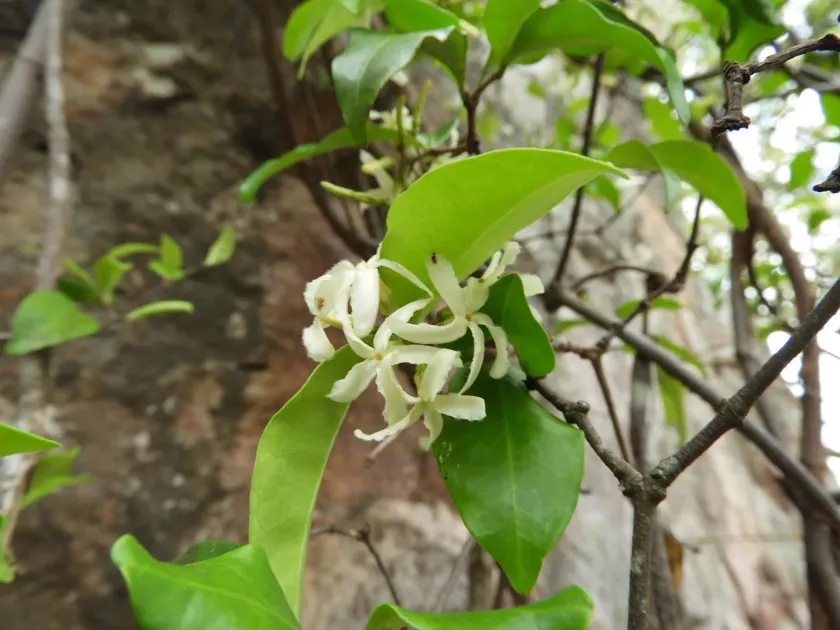
Description
Growing requirements
Ancylobothrys amoena is a woody vine belonging to the Apocynaceae family. This species is native to the tropical regions of Africa, where it thrives in forest margins and savannah environments, developing dense foliage and productive fruit-bearing vines.
The crop demands a warm, humid tropical climate to flourish. It is highly sensitive to cold, and successful cultivation requires temperatures to stay consistently above 20 degrees Celsius. Exposure to frost or prolonged chilly conditions will result in permanent damage or the death of the plant.
Well-draining, nutrient-rich soil is essential for the healthy growth of this species. Sandy loams or soils high in organic matter are ideal, as they provide both the necessary nutrients and the aeration required for root development, preventing moisture stagnation.
Good agricultural practice for this plant includes providing strong support structures, such as trellises or frames. As a climbing plant, Ancylobothrys amoena relies on vertical growth to optimize sunlight exposure and ensure proper ventilation of its foliage.
Irrigation must be managed carefully to ensure steady soil moisture levels. While the plant requires significant water during its active growing season, excessive watering must be avoided to prevent root diseases that are common in waterlogged tropical soils.
Main diseases and pests
Root rot is the most significant threat to Ancylobothrys amoena, often caused by poorly drained soil or excessive moisture accumulation around the base of the plant. Maintaining proper soil health is the best defense against these fungal pathogens.
Pests such as scale insects and aphids often infest the succulent new growth and undersides of the leaves. These pests sap the plant's energy and can create sticky honeydew residues that attract secondary fungal infections.
Nematodes are another hidden threat that can compromise the root system, reducing the plant's nutrient uptake efficiency. Utilizing cover crops or integrated pest management strategies can help mitigate the risks associated with soil-borne pests.
Leaf-eating caterpillars can cause considerable damage during the wet season. Regular monitoring of the vines is necessary to identify infestations early and apply corrective measures before the damage becomes widespread.
Fungal leaf spot diseases may appear during periods of high humidity. Ensuring proper air circulation between vines through strategic pruning and trellising helps to lower the risk of infection and maintains plant vigor.
Harvesting
The harvest of Ancylobothrys amoena occurs when the fruits reach physiological maturity, indicated by a shift in rind color and the development of a sweet, aromatic scent. Fruits should be picked carefully to avoid bruising the delicate exterior.
Manual harvesting is the standard method, as it allows for the selective picking of only ripe fruits, ensuring the highest quality product. Workers must often use ladders or specialized platforms to reach fruit located higher up on the vine structure.
Immediately after harvest, fruits should be kept in a cool, shaded environment to prevent rapid dehydration and maintain their shelf life. Proper post-harvest handling is critical for ensuring the fruit remains marketable after transport.
The fruit can be sold fresh or diverted for processing into various food items such as jams, jellies, and beverage concentrates. Each processing step must be handled with care to preserve the fruit's unique nutritional profile.
Productivity levels depend heavily on the maturity of the vine and the quality of the maintenance provided throughout the year. Mature, healthy vines can provide sustainable yields if harvesting is performed systematically and responsibly.