
Marguerite daisy
Argyranthemum frutescens (L.) Sch. Bip. x Chamaemelum nobile (L.) All.
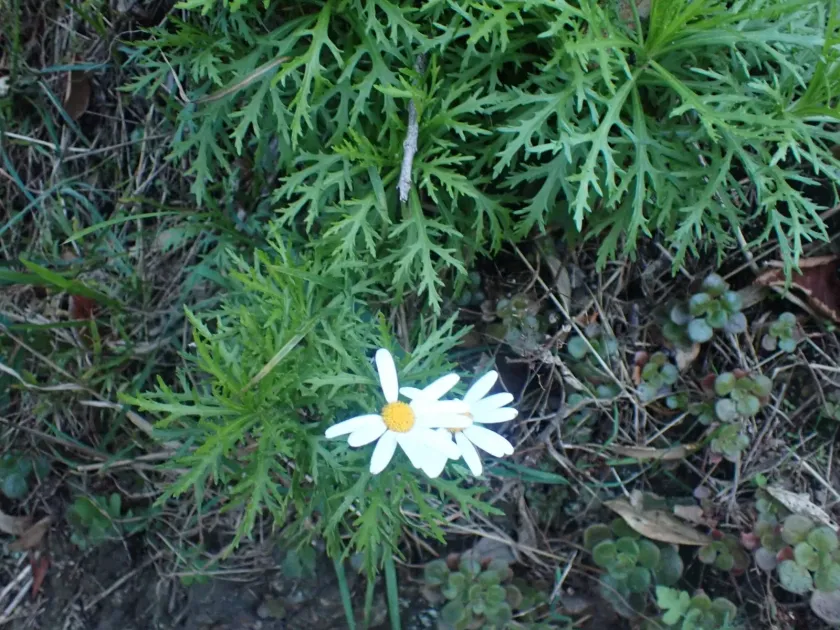
Description
Sowing dates
Propagation of Argyranthemum is performed via seeds or vegetative cuttings. Seeds are sown in early spring into a well-drained substrate at a constant temperature of 18–20 degrees Celsius.
Commercial producers primarily utilize stem cuttings to ensure clonal uniformity. Cuttings are taken in late summer, treated with rooting hormones, and placed in a high-humidity propagation bench.
Seedlings should be pricked out into individual pots once the first true leaves emerge. This helps in developing a robust root system and reduces the stress levels associated with subsequent transplanting.
Hardening off is a vital phase, requiring a two-week transition period where plants are gradually exposed to cooler outdoor conditions to improve their environmental resilience.
Transplanting into the permanent field or landscape should only occur after all risks of frost have passed, maintaining adequate spacing to ensure sufficient airflow between individual bushes.
Growing requirements
The Marguerite daisy is a member of the Asteraceae family, typically grown as a tender perennial or an annual in colder regions. It is prized for its shrubby, vigorous growth habit.
The crop requires full sun exposure to maintain high flower production and structural integrity. Insufficient light leads to etiolation and a significant decrease in the number of blooms.
Optimal growth occurs in fertile, well-draining soils with a neutral pH. The soil must provide aeration, as the roots are highly susceptible to rot under waterlogged or compacted conditions.
Temperature management is key, as the plant prefers moderate climates and can struggle under prolonged, extreme heat waves. Consistent moisture levels are required for optimal performance.
Regular maintenance through pinching is essential for horticultural success. Removing the apical growth points promotes lateral branching, resulting in a dense, uniform, and floriferous bush.
Main diseases and pests
Aphids and thrips are the primary pests affecting Argyranthemum. They aggregate on tender shoot tips and developing buds, causing stunted growth and significant aesthetic damage to the blooms.
Whiteflies can become a major issue in greenhouse environments. Their rapid life cycle requires proactive scouting and the strategic use of yellow sticky traps to monitor population levels.
Powdery mildew represents the most frequent fungal threat, occurring when humidity levels are high and foliage remains damp for extended periods due to poor air circulation.
Management strategies involve the application of registered insecticides and fungicides. It is recommended to implement an integrated pest management plan to delay the onset of pesticide resistance.
Sanitation practices, such as the prompt removal of infected plant debris and proper spacing, are the most effective non-chemical methods to reduce disease pressure in the field.