
Aeschynanthus parviflorus
Aeschynanthus parviflorus
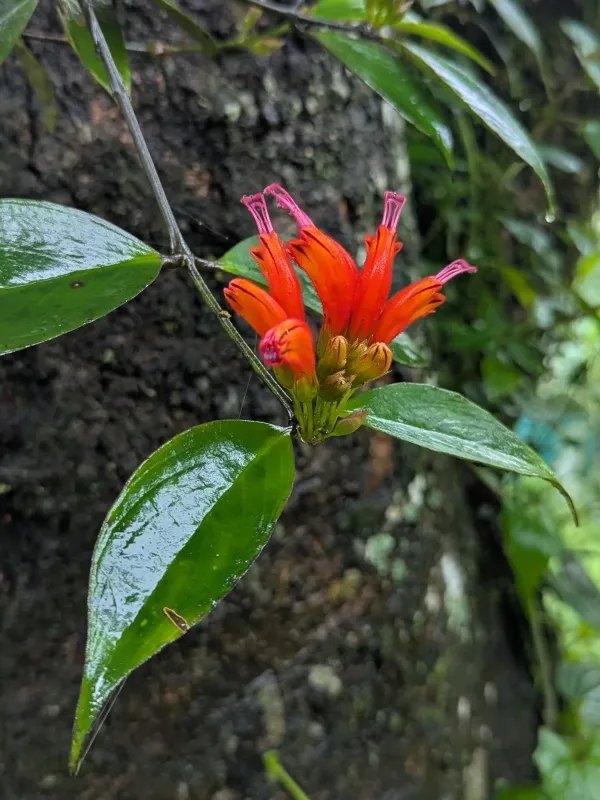
Description
Growing requirements
Aeschynanthus parviflorus is a perennial epiphytic plant belonging to the Gesneriaceae family. Originating from the tropical forests of Southeast Asia, it typically thrives in humid environments as an epiphyte on tree branches.
For successful cultivation, the plant requires bright, indirect light. Exposure to intense, direct sunlight can scorch the glossy leaves, while insufficient light levels will significantly reduce the chances of successful flowering.
The ideal temperature range is between 22°C and 25°C during the active growing season. During winter, a cooler period with temperatures around 16–18°C is beneficial to promote dormancy and encourage the development of flower buds for the next cycle.
A well-draining, loose growing medium is essential to simulate its natural environment. A mix containing pine bark, peat moss, perlite, and charcoal works best to ensure adequate root aeration and moisture retention without compaction.
Humidity management is critical, with levels maintained between 60% and 80%. Frequent misting or the use of a humidifier helps prevent leaf-tip browning and supports the plant's overall vitality in indoor settings.
Main diseases and pests
Spider mites are the most frequent pests, especially in environments where air humidity is consistently too low. These pests can cause severe damage to the foliage and require early detection and treatment with acaricides.
Mealybugs and scale insects may also infest the plant, particularly in the leaf axils. Regular inspections and wiping the leaves with a damp cloth can help keep these pest populations under control before they cause major stress.
Root rot is the most common pathology, usually caused by overwatering or poor drainage. Maintaining a drying period for the substrate between waterings is the most effective preventative measure against fungal pathogens.
Bacterial leaf spots can occur if water remains on the foliage for prolonged periods in cool conditions. Improving airflow and ensuring that the plant dries off after misting significantly lowers the risk of such infections.
Proper sanitation is vital to avoid spreading pathogens between plants. If damage is observed, pruning infected parts with sterile tools is recommended to prevent the progression of the disease and ensure long-term health.