
Aeschynanthus albidus
Aeschynanthus albidus
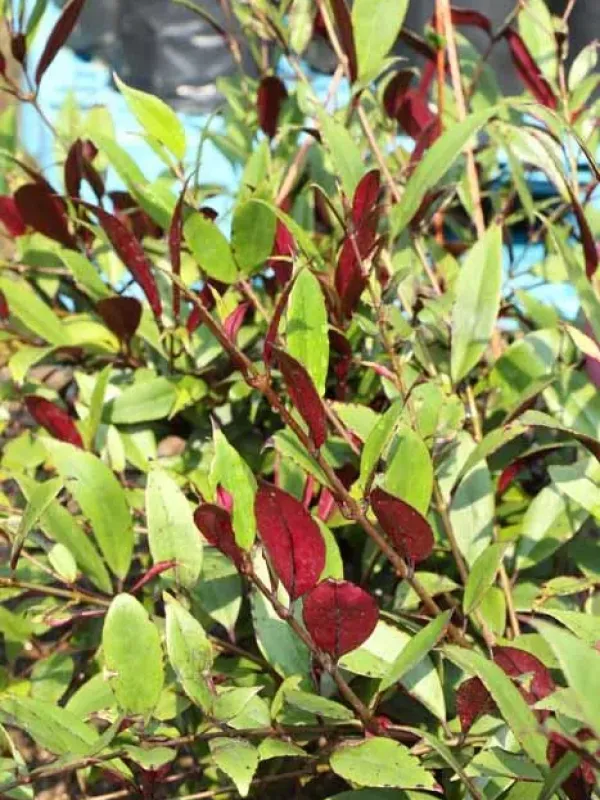
Description
Growing requirements
Aeschynanthus albidus belongs to the Gesneriaceae family and is recognized for its unique trailing habit. Native to the tropical forests of Southeast Asia, this plant traditionally thrives in high-humidity environments as an epiphyte on trees.
The culture requires bright, indirect light to maintain foliage health. Exposure to harsh direct sunlight can scorch the leaves, while insufficient light may result in leggy stems and poor flower bud development.
Temperature management is vital, with an ideal range between 22°C and 25°C during the day. As a tropical species, it does not tolerate cold drafts or sudden temperature drops, which can lead to leaf drop.
Soil requirements involve a highly porous, well-draining medium. A mix of peat moss, pine bark, perlite, and charcoal mimics the natural substrate found in tree bark crevices, preventing root suffocation.
Watering frequency should be balanced with environmental humidity. The medium should remain slightly moist but never waterlogged. Using lukewarm water is essential to prevent thermal shock to the plant's root system.
Main diseases and pests
Spider mites are the most common pest, thriving in dry indoor climates. These pests create fine webs and cause chlorosis on the leaves, necessitating prompt treatment with appropriate acaricides.
Mealybugs are another threat, often hiding in the leaf axils. Regular inspections and the use of insecticidal soaps or systemic treatments are effective strategies for keeping these populations in check.
Fungal issues, particularly root rot, are usually the result of overwatering or inadequate pot drainage. Once established, root rot can be fatal, making prevention via proper watering habits the best defense.
Botrytis, or gray mold, can occur if ventilation is poor and humidity remains too high without air movement. Maintaining a gentle airflow around the plant helps mitigate the risk of fungal infections.
Should infestation or disease occur, it is recommended to isolate the affected plant immediately. Remove damaged foliage, sanitize the area, and adjust the environment to restore the plant's natural vigor.