
Aeschynanthus acuminatus
Aeschynanthus acuminatus
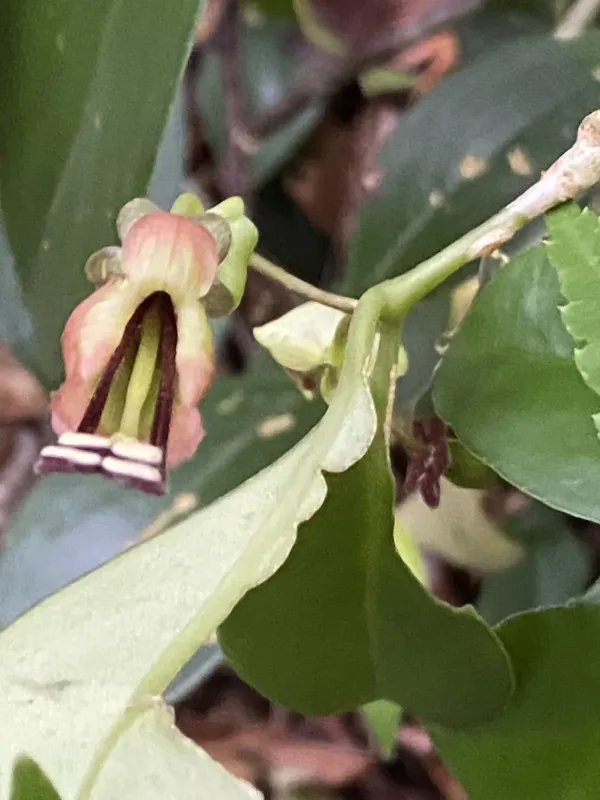
Description
Growing requirements
Aeschynanthus acuminatus is a remarkable species belonging to the Gesneriaceae family. It is an epiphytic plant that naturally occurs in the tropical rainforests of Southeast Asia, thriving in high-humidity environments across mountainous regions of India and China.
The botanical structure consists of trailing stems and lanceolate leaves with distinctive acuminate (pointed) tips. Its growth habit makes it a highly sought-after ornamental crop for indoor horticulture, hanging baskets, and glasshouse displays in temperate climates.
For successful cultivation, the species requires a warm climate with temperatures generally ranging between 20°C and 25°C. Consistent ambient humidity is essential to mimic its natural forest habitat and prevent the desiccating effects of dry indoor air.
The ideal soil medium must be highly porous and well-draining, similar to substrates used for orchids. A mixture of peat, pine bark, perlite, and charcoal allows for proper root aeration and prevents the waterlogging that often leads to physiological stress.
Lighting requirements are specific: the plant prefers bright, filtered light. While it tolerates lower light levels, excessive shade will reduce its potential for flowering, whereas direct sunlight may induce leaf scorching and loss of structural integrity.
Main diseases and pests
Pest management is a critical aspect of Aeschynanthus care. Common threats include spider mites, which thrive in dry conditions, as well as mealybugs and scale insects that can colonize the stem nodes and leaf undersides, severely weakening the plant.
Fungal pathogens such as root rot often result from overwatering and poor drainage management. Maintaining a dry foliage surface and ensuring good air circulation around the plants is essential for preventing the rapid spread of infections.
Environmental stress factors, including cold drafts and significant temperature fluctuations, lead to leaf senescence and bud drop. Protecting the plant from sudden climate shifts is necessary to ensure long-term viability and aesthetic performance.
Chemical control should be applied judiciously, utilizing systemic insecticides for pests or copper-based fungicides for fungal issues. However, physical removal of pests followed by improved cultural practices is often the most sustainable approach.
Balanced fertilization with low-concentration liquid nutrients during the growing season supports vigor and floral development. Care must be taken not to over-fertilize, as high salt accumulation in the substrate can lead to root damage and leaf chlorosis.