
Aeonium sedifolium
Aeonium sedifolium
Description
Growing requirements
Aeonium sedifolium is a compact, perennial succulent species belonging to the Crassulaceae family. Native to the Canary Islands, this plant has adapted to survive in harsh, rocky environments, which defines its specific growth requirements in agricultural and hobbyist settings.
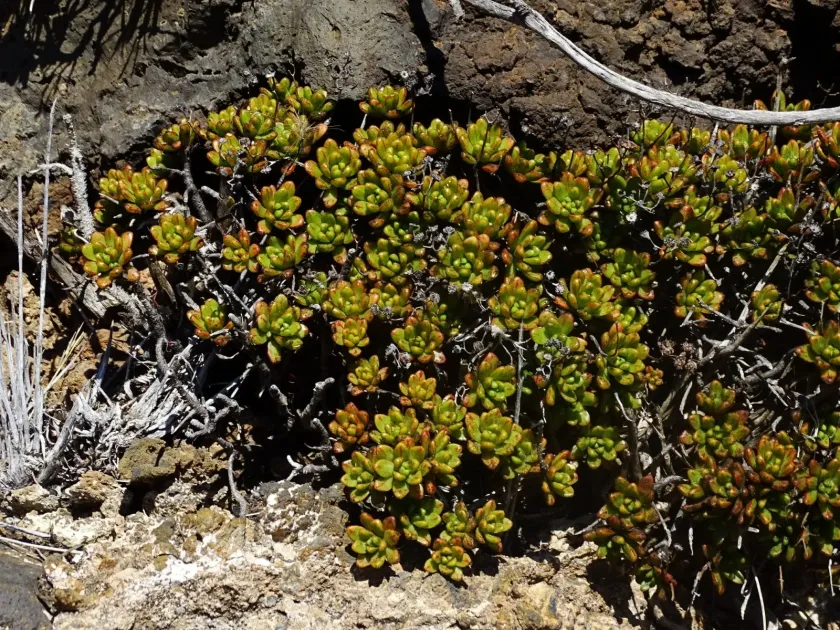
Botanically, it forms small, dense rosettes with glossy, often reddish-spotted leaves that become more vibrant under intense light. As the plant matures, its stems become woody, giving the succulent an appearance of a miniature, branched shrub.
The plant requires significant exposure to sunlight to maintain its color and compact structure. While it thrives in warm, temperate conditions, it demands a distinct period of reduced watering during the cooler winter months to simulate its natural dormant cycle.
For optimal growth, a specialized succulent or cactus potting mix is essential. The soil must provide excellent drainage, as the roots are highly susceptible to moisture-related stress if left in waterlogged conditions for extended periods.
In terms of usage, this plant is primarily utilized in the nursery and interior design industries. It is a popular choice for xeriscaping, container gardening, and collectors who value its unique, bonsai-like structural characteristics.
Main diseases and pests
The most significant threat to Aeonium sedifolium is overwatering, which quickly leads to root rot and irreversible tissue damage. Ensuring the soil is fully dry before re-watering is the most critical aspect of managing this culture's health.
Pest management should focus on common succulent invaders such as mealybugs and spider mites. These pests thrive in dry air; thus, maintaining adequate air circulation and performing periodic preventative inspections are necessary to ensure the plant remains vigorous.