
Aeonium lindleyi
Aeonium lindleyi
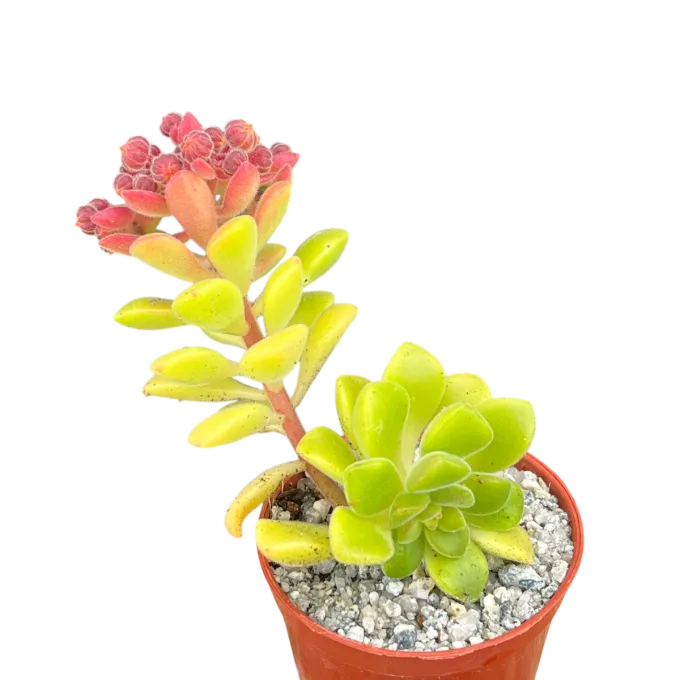
Description
Growing requirements
Aeonium lindleyi is a succulent subshrub belonging to the Crassulaceae family. Native to the Canary Islands, it is highly valued for its compact, branching growth habit and sticky, fleshy leaves that add aesthetic appeal to any arid landscape or indoor collection.
This species thrives in well-draining, gritty soil. A standard cactus or succulent mix, supplemented with extra perlite or pumice, is ideal for preventing root rot and ensuring healthy gas exchange in the root zone throughout the growing season.
Light intensity is the most critical factor for successful growth. The plant requires abundant sunlight to maintain its shape; otherwise, it tends to become etiolated, with weak, stretched-out stems that struggle to support the heavy leaf rosettes.
Temperature requirements are moderate. During the active growing phase, it performs best at temperatures between 20°C and 25°C. In winter, it is recommended to provide a cooler environment to mimic its natural dormancy period.
Watering should be approached with caution. The "soak and dry" method is standard: water thoroughly until liquid drains from the bottom, then wait until the soil is completely dry before watering again. Never let the plant sit in standing water.
Main diseases and pests
The primary threats to the plant's health are fungal infections caused by excessive moisture and poor air circulation. Root rot is a common issue that occurs if the plant remains in damp soil for too long, leading to a rapid decline in vigor.
Mealybugs are the most frequent insect pests. These small white insects hide in the crevices between leaves, feeding on plant sap. Their presence often manifests as a white, cotton-like substance covering the stems or leaf bases.
Spider mites can also become a problem in dry indoor conditions. These pests cause discoloration of the foliage and can lead to plant death if left untreated. Regular monitoring of the leaf surfaces is essential for early detection.
Chemical control involving insecticidal soaps or systemic pesticides is effective against infestation. When treating the plants, it is crucial to reach all parts of the rosettes to ensure complete removal of the pests.
In addition to pest control, proper hygiene is essential. Removing dead leaves from the base of the plant helps to prevent mold growth and reduces the hiding spots where pests can safely multiply.