
Aeonium glutinosum
Aeonium glutinosum
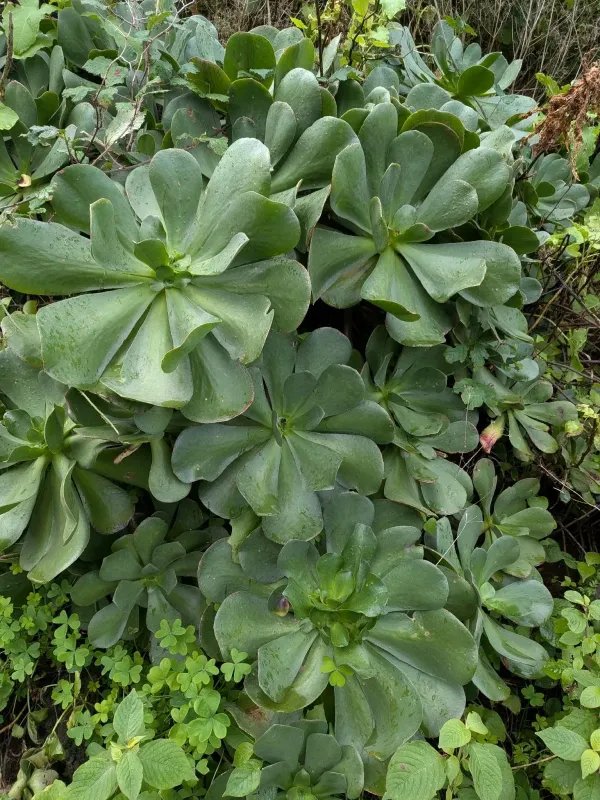
Description
Growing requirements
Aeonium glutinosum is a perennial succulent species belonging to the Crassulaceae family. Native to the Madeira archipelago, this plant is well-known for its sticky, resinous foliage which serves as a natural protective mechanism.
To cultivate this plant successfully, one must provide well-draining, porous soil, typically a mix designed for desert succulents. The addition of pumice or grit is essential to maintain proper aeration and prevent moisture retention.
The plant requires bright, indirect sunlight to maintain its shape and leaf coloration. Direct scorching sun can sometimes cause damage to the foliage, especially in highly sensitive cultivars, so light management is key.
Temperature regulation is vital for Aeonium glutinosum. It is not frost-hardy and thrives best in temperatures ranging between 15 and 25 degrees Celsius. Extreme cold or high humidity combined with low heat can be fatal.
Propagation is primarily achieved through stem cuttings or offsets. Cuttings should be allowed to form a callous for several days before being placed in a dry potting medium to initiate the rooting process.
Main diseases and pests
Mealybugs are the most common pests affecting Aeonium glutinosum. They thrive in the hidden crevices of the rosettes, where they feed on the plant's sap and weaken its overall physiological structure.
Root rot, driven by Pythium or Rhizoctonia fungi, represents a significant threat. This typically occurs in poorly drained containers where soil remains saturated for extended periods, leading to hypoxia in roots.
Aphid infestations can occur during the spring flush of new growth. These pests can be managed by using organic insecticidal soaps or by physically removing them with a gentle stream of water.
Proper sanitation is essential to prevent the spread of diseases. Tools used for pruning or taking cuttings should always be disinfected with alcohol to avoid cross-contamination between specimens.
Maintaining a dry environment around the leaf base is a key preventative strategy. By avoiding overhead irrigation and ensuring good ventilation, the incidence of fungal pathogens can be drastically reduced.