
Aeonium glandulosum
Aeonium glandulosum
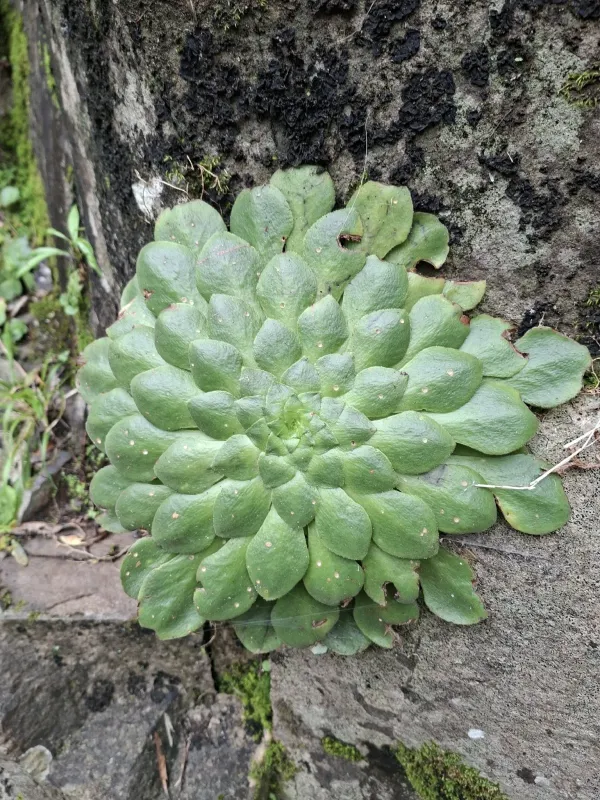
Description
Growing requirements
Aeonium glandulosum is a succulent plant belonging to the Crassulaceae family. It is widely recognized for its low, flat rosettes of fleshy leaves, which are adapted to store moisture in arid environments.
The species is native to the island of Madeira. It naturally inhabits rocky cliffs and areas with thin, poor soil, where it relies on atmospheric moisture and mineral-rich volcanic rock formations.
For successful cultivation, the plant requires a fast-draining substrate. A mixture of potting soil with high proportions of pumice, perlite, or coarse sand is essential to prevent water retention and root rot.
Regarding climate, this plant thrives in temperate conditions. It requires bright, indirect sunlight to maintain its compact growth form. Low light levels will inevitably cause the plant to etiolate and lose its shape.
Temperature management is crucial as the plant is sensitive to frost. While it enjoys a Mediterranean climate, it should be protected from extreme heat and freezing temperatures, making it an excellent candidate for greenhouse or indoor cultivation.
Main diseases and pests
Root rot is the most common threat to Aeonium glandulosum. It occurs when soil remains damp for extended periods, especially during cooler months when the plant enters a period of slower growth.
Mealybugs are the primary pest concern for this species. These insects congregate in the leaf axils, drawing sap from the plant and weakening its structure. Regular monitoring of the foliage is necessary to detect infestations early.
Spider mites may also affect the plants in environments with very low humidity. They can cause stippling and yellowing on the leaf surface, significantly reducing the aesthetic quality of the succulent.
Chemical control involving systemic insecticides is often required for severe outbreaks of mealybugs. However, prevention remains the most effective strategy, focusing on balanced moisture levels.
Proper airflow is essential to prevent the spread of fungal diseases. Ensuring the rosettes are kept dry after watering is a simple yet effective practice to maintain long-term plant health.