
Aeonium castello-paivae
Aeonium castello-paivae
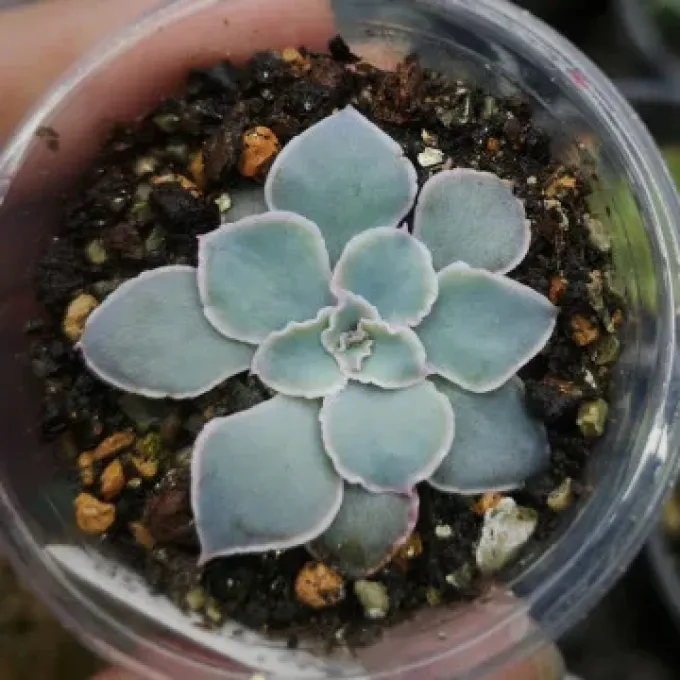
Description
Growing requirements
Aeonium castello-paivae is a distinctive perennial succulent belonging to the Crassulaceae family. Native to the Canary Islands, this plant is well-adapted to rocky habitats and requires specific conditions to thrive in cultivation.
The ideal growing medium for this species is a highly porous, fast-draining potting mix. Incorporating pumice, perlite, or grit ensures that water does not accumulate around the roots, which is essential to prevent physiological stress.
This species requires bright, indirect sunlight to maintain its compact rosette form and vibrant coloration. While it can tolerate some direct morning sun, intense afternoon heat may require temporary shading to prevent scorched foliage.
Watering should be approached with caution, utilizing the "soak and dry" method. The substrate must be completely dry before applying water, and during the winter dormancy period, watering should be significantly reduced to mimic natural growth cycles.
Temperature management is key to successful development. The plant prefers moderate temperatures ranging from 15 to 25 degrees Celsius and should be protected from frost, as even minor exposure to freezing temperatures can cause permanent damage.
Main diseases and pests
Root rot is the most significant threat to Aeonium castello-paivae, often resulting from overwatering or poorly draining soil. Signs include yellowing of the lower leaves and a soft, mushy texture to the stems.
Mealybugs are the most common insect pests encountered when growing this succulent. They tend to congregate in the tight spaces between leaves, making them difficult to detect until an infestation is well underway.
Aphids may occasionally attack new, succulent growth during the spring season. These insects feed on plant sap, leading to distorted growth and potentially spreading viral infections between plants.
Scale insects can also infest the stems and undersides of leaves. Regular monitoring and physical removal, or the application of horticultural oils, are effective control measures for minor infestations.
Maintaining good airflow and ensuring the plant has adequate space prevents the accumulation of moisture, which is the primary catalyst for both fungal outbreaks and insect colonization in indoor collections.