
Aeonium decorum
Aeonium decorum Webb ex Bolle
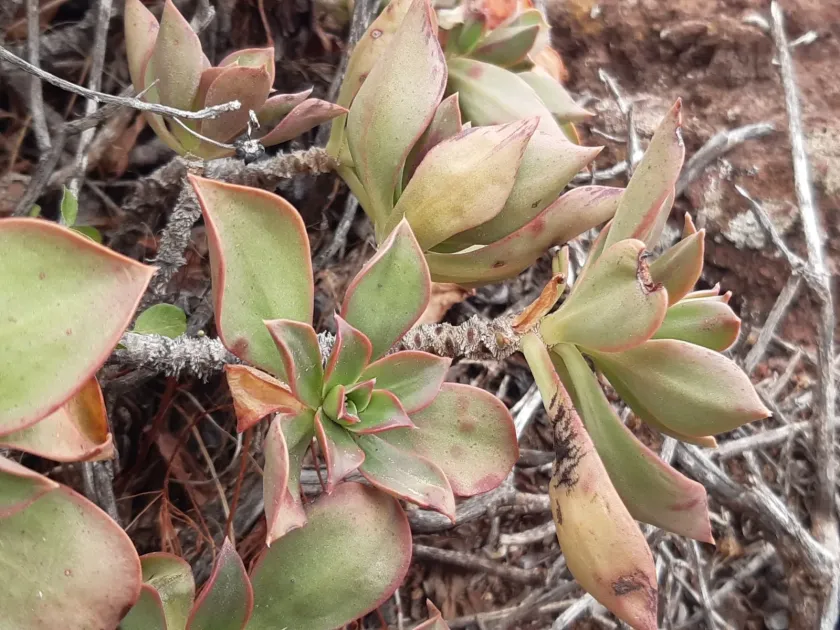
Description
Sowing dates
Propagation of Aeonium decorum is typically achieved through stem cuttings during the active growth period. Early spring is considered the ideal time for successful rooting.
Cuttings should be allowed to air-dry for several days to allow a callous to form over the wound. This prevents rot when the stem is inserted into the growing medium.
A well-draining substrate mix is essential for young plants. Using a combination of coarse sand, pumice, and potting soil ensures adequate aeration for developing roots.
Seed propagation is possible but requires a controlled environment with consistent warmth and surface sowing techniques. Seeds must be kept moist during the germination phase.
Once established, cuttings or seedlings should be transplanted into pots with excellent drainage. Avoid over-potting, as excess soil retains moisture longer, which can be detrimental.
Growing requirements
Native to the Canary Islands, this member of the Crassulaceae family thrives in arid and rocky environments. It is highly adapted to high solar radiation levels.
Optimal light exposure is critical for maintaining the plant's characteristic rosette shape and leaf coloration. Direct morning sunlight or filtered afternoon light is preferred.
The soil requirement for Aeonium decorum focuses on drainage. The mix should be inorganic-heavy, preventing water retention that leads to oxygen deprivation in the root zone.
The plant prefers moderate temperatures. While it can withstand periods of drought, it should be protected from hard frosts, which cause irreversible damage to the leaves.
Watering should be deep but infrequent. During the dormant winter phase, the plant requires very little moisture, allowing the substrate to dry out completely between applications.
Main diseases and pests
The most common threat to this species is root rot caused by stagnant moisture. Ensuring the drainage holes are clear and the soil is porous is the primary defense.
Mealybugs are frequent pests that infest the dense center of the rosettes. They feed on plant sap and can cause significant distortion of the foliage if left untreated.
Spider mites may affect the plant during hot, dry spells, especially in indoor environments with poor airflow. These pests cause yellowing and fine webbing on the leaves.
Effective pest management involves using systemic insecticides or horticultural oils. Regular physical inspections of the rosettes can help detect issues at an early stage.
In addition to pests, fungal pathogens can develop if humidity levels are consistently too high. Improving ventilation and reducing leaf-wetness are necessary cultural practices.