
Tree Aeonium
Aeonium arboreum (L.) Webb et Berth.
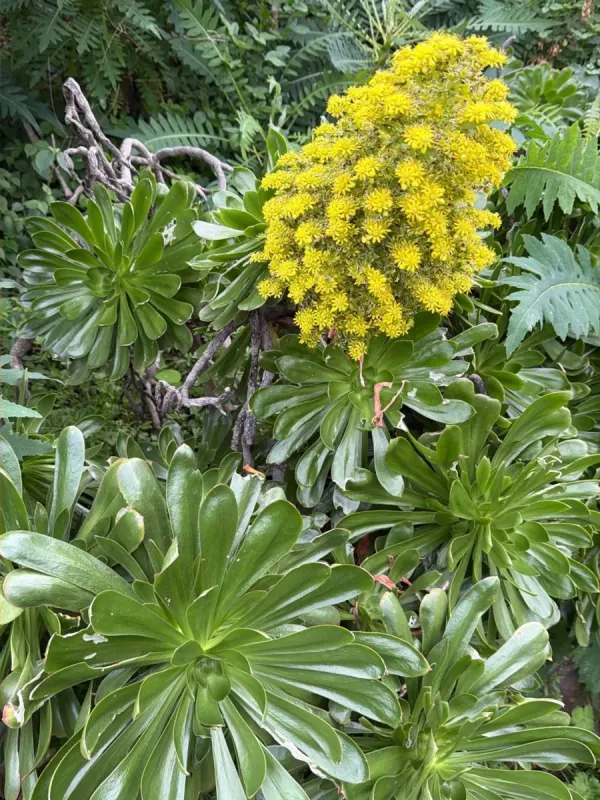
Description
Sowing dates
Propagation of Aeonium arboreum is most effectively achieved through stem cuttings. The optimal time for harvesting cuttings is during the active growing season, typically in late spring or early summer.
After taking the cutting, it is essential to allow the wound to callus for several days. Placing the cutting in a dry, shaded area prevents pathogens from entering the plant tissues once planted.
Use a well-draining succulent-specific potting mix for rooting. Insert the calloused end into the soil and wait for new roots to establish before starting a regular watering schedule.
Seeds can also be used for propagation, though this method is slower. Sow the fine seeds on the surface of a sandy, moist substrate and cover them lightly with a thin layer of grit.
Maintaining a stable temperature of approximately 21°C is crucial for successful seed germination. Keep the container in a bright spot away from direct, harsh sunlight until seedlings emerge.
Growing requirements
Aeonium arboreum, a member of the Crassulaceae family, is native to the Canary Islands. It is characterized by its woody stems and large, rosette-forming leaves that store significant amounts of water.
The crop requires full sun exposure to maintain its compact growth form and vibrant leaf coloration. Insufficient light leads to etiolation, resulting in elongated stems and weakened structures.
A porous soil mix is non-negotiable for this species. A blend of pumice, perlite, and high-quality potting soil provides the necessary drainage to prevent root rot in potted environments.
Watering must follow the soak-and-dry method. During the active growth period, water the plant thoroughly when the soil is completely dry, but always ensure excess water drains away.
Temperature management involves protecting the plant from freezing conditions. While it can tolerate mild cold, the ideal temperature for the plant ranges between 15°C and 25°C throughout the year.
Main diseases and pests
Root rot is the most common disease associated with Aeonium arboreum, usually caused by overwatering or poor drainage. Infected plants often show drooping leaves and soft, discolored stems.
Mealybugs are frequent pests that settle in the crevices between leaves. Using a cotton swab dipped in rubbing alcohol is an effective mechanical way to remove small infestations.
Aphids may occasionally attack the tender new growth of the rosettes. Regular inspections and the use of insecticidal soap can effectively manage and prevent these pest outbreaks.
Spider mites are another concern in dry indoor environments. They leave fine webbing and cause the foliage to appear mottled or stunted if left untreated for long periods.
Maintaining proper hygiene by removing dead leaves and ensuring adequate air circulation around the plant significantly reduces the risk of pest and disease manifestation.