
Adromischus umbraticola
Adromischus umbraticola
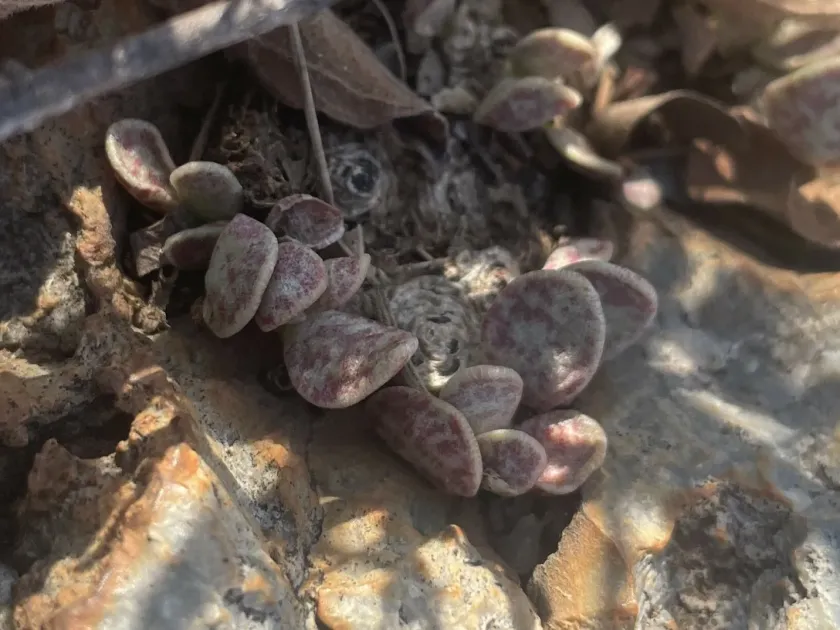
Description
Growing requirements
Adromischus umbraticola is a compact succulent species belonging to the Crassulaceae family. Originating from the rocky terrains of South Africa, this plant has adapted to survive in shaded rock crevices, which explains its preference for protected microclimates in cultivation.
The plant features distinctively fleshy, succulent leaves designed to store water for long periods, allowing it to withstand extreme desert conditions. It typically grows as a slow-developing clump, making it a highly valued specimen for botanical collections and specialized succulent gardening.
Successful cultivation requires a highly porous and gritty soil mix that ensures rapid water drainage. In a greenhouse or indoor environment, pots must have excellent drainage holes, and the substrate should consist of mineral components like coarse sand, pumice, or expanded clay to prevent moisture retention.
This species thrives in bright but indirect sunlight. Direct sunlight can easily damage the delicate leaf epidermis, causing scabs or leaf drop, while insufficient light leads to etiolation, where the plant loses its natural compact growth habit and becomes weak and elongated.
Temperature management is straightforward, as the plant prefers typical room temperatures between 20°C and 25°C during the growing season. During winter, it enters a dormant phase and benefits from cooler conditions and completely dry substrate to prevent potential root rot issues.
Main diseases and pests
Mealybugs are the primary pest concern for Adromischus umbraticola, often gathering in the leaf axils where they are difficult to reach. Regular monitoring and the application of appropriate contact or systemic insecticides are necessary to maintain plant health and prevent severe infestations.
The most significant threat to the overall yield and vitality of this crop is root rot caused by overwatering. If the roots remain in a saturated environment, the plant's tissues break down rapidly; therefore, prioritizing a 'dry-until-necessary' watering schedule is essential for long-term survival.