
Adromischus marianiae
Adromischus marianiae
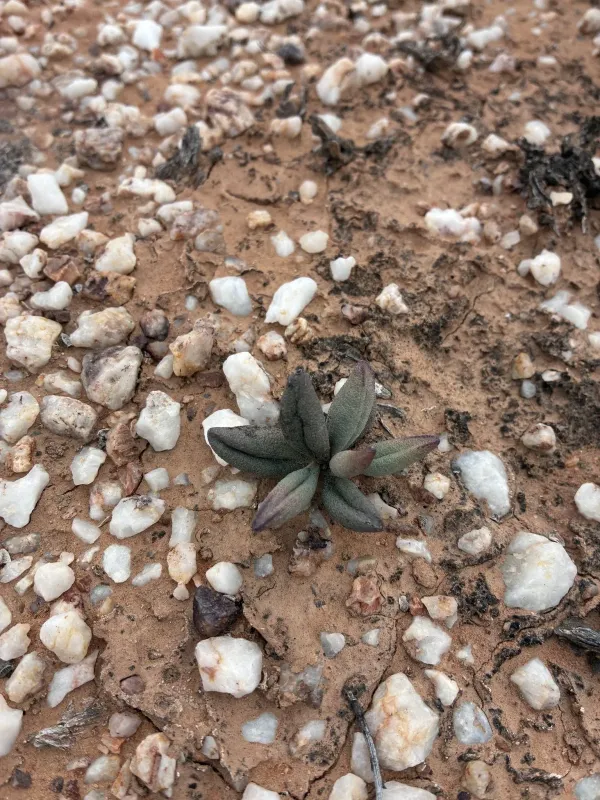
Description
Growing requirements
Adromischus marianiae is a slow-growing succulent species belonging to the Crassulaceae family. Native to the arid regions of South Africa, this plant has evolved to thrive in harsh environments with limited water availability and intense solar exposure.
Botanically, it is characterized by its distinct, often fleshy, and sometimes tuberculate leaves which form compact clusters. The leaf morphology can vary significantly depending on the environmental conditions and specific localized genetics.
The primary requirement for this culture is a highly porous, gritty, and well-draining substrate. Using a mix with high mineral content ensures that the roots do not remain saturated, which is essential to prevent physiological decay.
The plant requires bright, indirect light to maintain its color and compact growth habit. In greenhouse conditions, supplemental lighting may be necessary if natural light levels are insufficient during the growing season.
Watering should be managed with caution. During the active growth period, it requires infrequent but deep watering, ensuring the substrate dries out completely between cycles. During winter dormancy, water intake must be drastically reduced.
Main diseases and pests
The most significant threat to Adromischus marianiae is root rot caused by stagnant moisture. Excess water in the potting medium often leads to the rapid onset of fungal infections that destroy the root system.
Mealybugs are the most persistent pests for this species. They frequently hide in the crevices of the leaf clusters, making them difficult to detect until the plant shows signs of stunted growth or localized necrosis.
Spider mites can also become a problem if humidity levels are too low. Their presence is usually identified by fine webbing and yellowing patches on the leaf surface, which can lead to permanent scarring of the succulent tissue.
Proper sanitation in the greenhouse is vital to prevent the spread of fungal pathogens like Botrytis, which can colonize injured leaf surfaces during high-humidity periods. Maintaining good air circulation is the best preventive practice.
Integrated pest management, including the use of systemic insecticides and manual removal, is recommended to keep collections healthy. Early detection through regular visual inspections remains the most effective strategy for mitigation.