
Adromischus liebenbergii
Adromischus liebenbergii
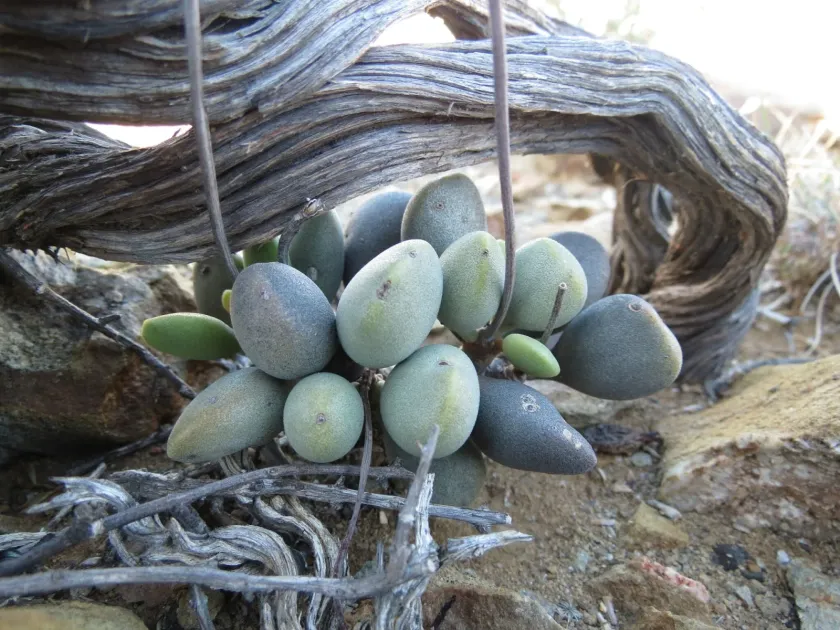
Description
Growing requirements
Adromischus liebenbergii is a perennial succulent species belonging to the Crassulaceae family. Originating from the arid regions of South Africa, this plant is well-adapted to surviving in harsh environments with limited water availability.
The plant features fleshy, compact leaves that serve as water reservoirs. Its growth habit is characterized by short stems that may become sprawling or prostrate over time, making it an attractive specimen for succulent hobbyists.
Cultivation requires a highly porous and well-draining substrate to mimic its natural rocky habitat. A mix comprising sand, perlite, and coarse volcanic rock is ideal for maintaining the health of the root system and preventing moisture retention.
Regarding climate, this species prefers bright, indirect sunlight to maintain its compact form and coloration. It is essential to protect the plant from extreme heat and freezing temperatures, keeping it in a stable environment year-round.
The primary use of Adromischus liebenbergii is ornamental. It is widely cultivated in pots and containers, favored for its unique texture, resilience, and slow growth rate, which makes it ideal for indoor window sill gardening.
Main diseases and pests
The most significant threats to the health of this succulent are fungal and bacterial rots, which occur primarily due to overwatering. Proper drainage and allowing the soil to dry out completely between waterings are critical preventive measures.
Common pests include mealybugs and spider mites, which can infest the plant, particularly in the leaf axils. Early detection through regular monitoring is necessary to prevent severe infestations that could jeopardize the plant's structural integrity.
Chemical control with appropriate insecticides may be used, though physical removal of pests using alcohol-dipped swabs is often effective for small-scale infestations. Ensuring adequate airflow helps mitigate the risk of both pest outbreaks and fungal infections.
Temperature fluctuations combined with high humidity create stressful conditions that may weaken the plant's immunity. Maintaining a dry, well-ventilated space is the best defense against environmental stress-related diseases.
Routine inspections during the repotting season are essential for checking root health. If any signs of necrosis or rot appear, the affected parts should be pruned promptly, and the plant should be repotted into fresh, sterile growing medium.