
Adromischus filicaulis
Adromischus filicaulis
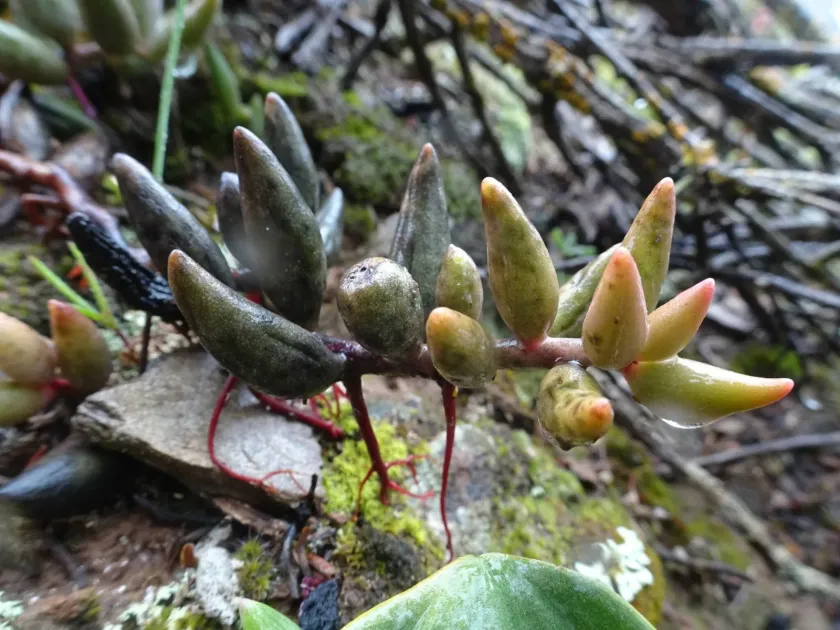
Description
Growing requirements
Adromischus filicaulis is a distinct succulent species belonging to the Crassulaceae family. Native to the arid regions of South Africa, it is widely appreciated in specialized horticulture for its slender stems and fleshy leaves that exhibit unique patterns, often tinted with reddish or purple shades depending on sun exposure.
The cultural requirements are strict regarding drainage. It requires a highly mineralized soil mix, typically composed of coarse sand, pumice, and a small fraction of potting soil. Providing excellent aeration for the root system is essential to mirror its natural rocky habitat and prevent suffocating the roots.
Regarding climate, the plant thrives in temperatures between 20°C and 25°C during the active growing season. During the winter dormancy phase, it demands cooler temperatures, ideally around 10°C to 15°C, to ensure a healthy rest period that precedes the spring growth surge.
Watering must follow the soak-and-dry approach. Because it is a drought-tolerant species, any waterlogged condition will lead to rapid tissue decay. In low-light winter conditions, watering should be reduced to an absolute minimum to keep the plant in a state of suspended animation.
Light intensity is the primary driver of its compact growth form. Without sufficient bright light, the stems of Adromischus filicaulis tend to elongate and become brittle. Optimal cultivation involves placing the plants in locations with high levels of indirect sunlight to maintain the integrity of their structural morphology.
Main diseases and pests
Root rot remains the single most common threat to this species. It is typically caused by fungal pathogens that thrive in wet, stagnant soil conditions. Prevention involves maintaining a strict watering regimen and ensuring the growing medium never remains saturated for extended periods.
Mealybugs are the most persistent pest for this succulent. They often nest in the crevices where leaves attach to the stems, making them difficult to detect until an infestation is well underway. Manual removal using isopropyl alcohol is the preferred method for smaller collections.
Fungal leaf spot can occur if the leaves are exposed to stagnant moisture or poor ventilation. If spots appear, it is imperative to improve air circulation and treat the plant with a fungicide suitable for succulent species to prevent the further spread of the infection.
Aphids can occasionally infest the growing tips during the spring months. These insects sap the energy from new foliage, causing stunted growth and deformity. Early detection and the application of mild horticultural oils are often sufficient to manage these populations effectively.
Physiological damage from cold stress or sudden temperature drops can lead to internal cell collapse. This makes the tissue highly susceptible to opportunistic secondary infections, highlighting the need for gradual acclimatization when moving plants between different environmental conditions.