
Adromischus cristatus
Adromischus cristatus
Description
Growing requirements
Adromischus cristatus is a succulent perennial plant belonging to the Crassulaceae family. Native to the Eastern Cape province of South Africa, it has evolved to thrive in arid and semi-desert environments.
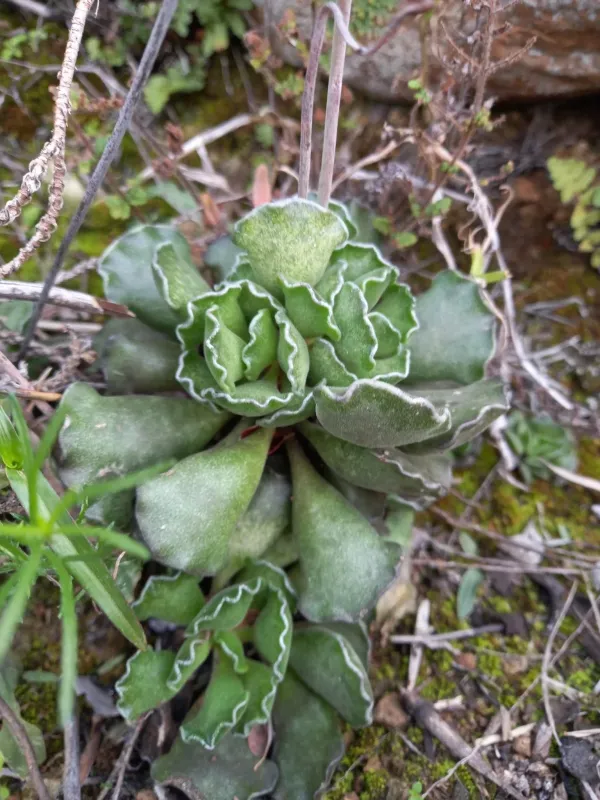
Botanically, the species is distinguished by its crinkled, wavy-edged leaves covered with fine, hair-like trichomes. A distinct morphological feature of this plant is its tendency to produce numerous adventitious aerial roots along the stems.
Agronomic requirements emphasize the need for a highly porous, well-draining substrate typically composed of gravel, pumice, and minimal organic matter. The plant demands bright, indirect sunlight to maintain its structural integrity and leaf coloration.
The climate regime necessitates moderate temperatures during the growth phase, while a distinct dry dormant period in winter is required. Excessive watering during lower temperatures often results in severe physiological stress and crop loss.
The primary economic use of this plant is within the ornamental horticultural sector. It is widely cultivated for the interior design market, terrarium arrangements, and by plant collectors due to its unique architectural appearance.
Main diseases and pests
The most significant agronomic threats are fungal infections, specifically those resulting in root and stem rot due to over-irrigation. Maintaining a balanced soil moisture level is critical to preventing pathogenic proliferation in the root zone.
Pest pressures include infestations of mealybugs, which tend to congregate in the leaf axils, making manual removal or treatment difficult. Spider mites also pose a risk in environments with low airflow and low humidity.
- Implementation of precise irrigation schedules.
- Usage of systemic insecticides to manage sucking insects.
- Ensuring adequate passive ventilation for the crop.
- Sanitization of tools and pots to prevent disease transmission.
- Quarantine protocols for new plant stock additions.