
Adenium hybrid
Adenium hybrids
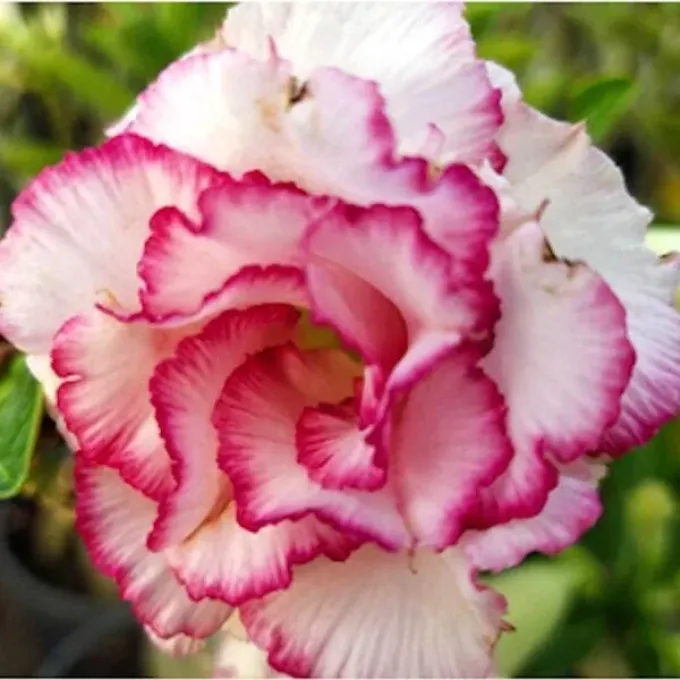
Description
Sowing dates
Seeds of Adenium hybrids are best sown in spring or early summer to maximize the duration of natural daylight. Temperatures must remain between 25 and 30 degrees Celsius for successful germination.
A well-draining, sterile substrate is essential. A mixture of perlite, peat-free potting mix, and coarse sand provides the necessary aeration to prevent fungal issues during the seedling stage.
Sow seeds at a depth of about 0.5 to 1 centimeter and maintain high humidity by covering the container. Consistent soil moisture is vital during the first two weeks of development.
Once seedlings have developed two sets of true leaves, they should be transplanted into individual small pots. This stage of growth is critical for establishing a healthy and stable root system.
Gradual acclimatization to brighter light conditions is recommended. Avoid direct scorching sun until the plants have reached a more mature stage of development.
Growing requirements
Adenium hybrids, members of the Apocynaceae family, are prized for their succulent, woody stems known as caudex. They thrive in environments with full, direct sunlight throughout the year.
The soil must have excellent drainage properties. A coarse, porous medium is ideal to prevent root rot, which is the most common cause of failure in Adenium cultivation.
Watering should be strictly regulated. Only irrigate when the potting mix is thoroughly dry. During winter months, the plants often enter dormancy and require very little water.
Temperatures should stay above 15 degrees Celsius. Adenium is sensitive to cold, and exposure to frost will result in rapid tissue collapse and potential death of the specimen.
Fertilization with a balanced, low-nitrogen succulent fertilizer should occur only during the active growing season to support flowering and structural development.
Main diseases and pests
Fungal rots caused by overwatering are the primary threat to Adenium health. Symptoms include soft, mushy spots on the caudex and yellowing leaves that drop prematurely.
Spider mites are common pests that thrive in hot, dry conditions. Regular misting of the area around the plant or the use of specific acaricides can help manage infestations.
Mealybugs may colonize the leaf axils and stems. Prompt identification and application of neem oil or systemic insecticides are recommended to prevent widespread damage.
Scale insects can weaken the plant by feeding on sap. Removal with cotton swabs dipped in alcohol is an effective control measure for light infestations on smaller plants.
Providing proper air circulation is essential for reducing the risk of pests and diseases. A well-ventilated space ensures that foliage dries quickly after any accidental moisture contact.