
Actinorhytis calapparia
Actinorhytis calapparia
Description
Growing requirements
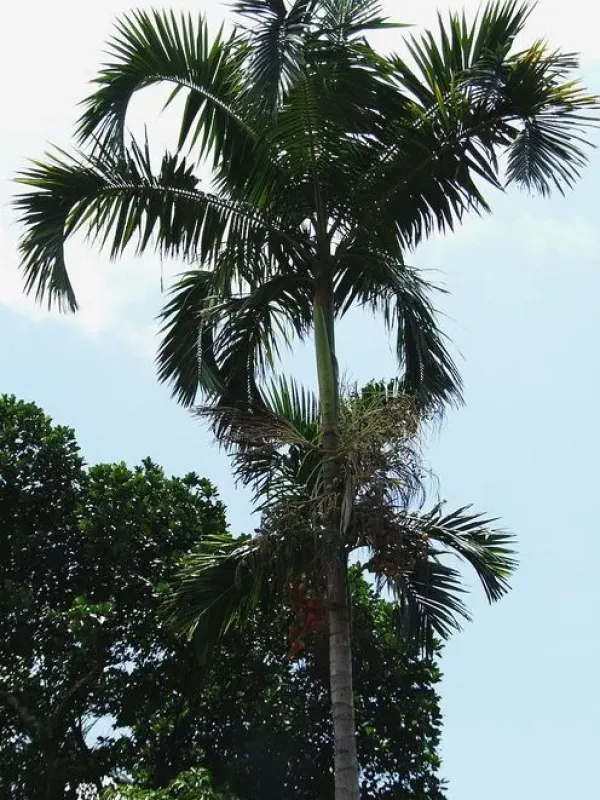
Actinorhytis calapparia is a distinctive member of the Arecaceae family, native to the tropical regions of New Guinea and the Solomon Islands. This palm is known for its elegant, slender trunk and large, feathery fronds that can grow several meters in length.
The species thrives in humid, lowland rainforest environments. It is highly sensitive to cold, requiring consistent year-round tropical temperatures. Exposure to temperatures below 15°C will typically result in severe physiological stress or death of the plant.
Soil requirements for this palm include a rich, well-draining substrate that mimics the high organic content found on the tropical forest floor. Constant moisture is essential, but the roots must be protected from waterlogging, which often leads to lethal fungal outbreaks.
In terms of light exposure, young specimens require partial shade to mimic the canopy coverage of their natural habitat. As they mature, they become more tolerant of full sun, provided that the soil moisture levels remain consistently high throughout the growing season.
The palm is primarily utilized in ornamental horticulture within tropical botanical gardens and estates. Its structural beauty makes it a highly valued specimen for landscape architecture in suitable warm-climate zones.
Main diseases and pests
Fungal diseases are a primary concern, specifically those attacking the roots and stems. Species like Phytophthora can cause collar rot, which is often irreversible if not detected in the early stages of infection by experienced growers.
Pest pressure is significant, with various beetles and mites targeting the palm's terminal bud and leaf bases. The palm weevil is particularly destructive, as it bores into the trunk, potentially killing the palm from the inside out within a short period.
Preventive maintenance involves removing dead fronds and debris from the crown, as these provide breeding grounds for pests and pathogens. Keeping the planting area clean is a fundamental practice in professional tropical nursery management.
Nutritional deficiencies, especially magnesium and iron, can manifest as yellowing of the leaves. Applying slow-release fertilizers formulated specifically for palms ensures that the plant receives essential nutrients to maintain its resistance to environmental stressors.
Integrated Pest Management (IPM) strategies, including the use of pheromone traps for weevils, are recommended for large-scale plantings to minimize chemical usage and preserve local biodiversity in the cultivation area.