
Actinokentia divaricata
Actinokentia divaricata
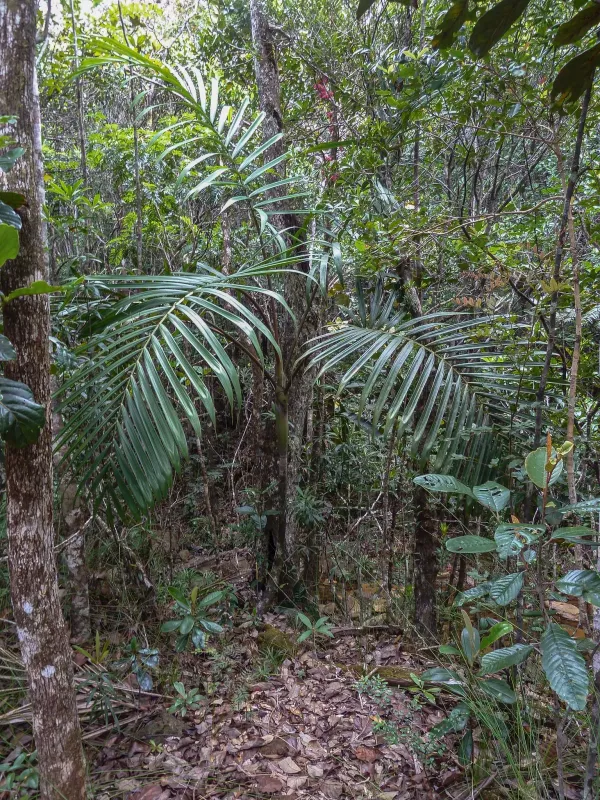
Description
Growing requirements
Actinokentia divaricata is a unique species of palm belonging to the Arecaceae family, endemic to the rainforests of New Caledonia. This plant is highly regarded for its slender, ringed stem and elegant crown of pinnate leaves, making it a specialized choice for collectors of exotic flora.
Successful cultivation of Actinokentia requires a stable, high-humidity environment that mimics its natural habitat. The plant thrives in temperatures ranging from 20 to 28 degrees Celsius and should be protected from harsh, direct sunlight, which can easily scorch its delicate foliage.
The substrate must be well-draining, nutrient-rich, and slightly acidic. A mix consisting of coconut coir, bark chips, and perlite is ideal to ensure proper aeration and prevent moisture retention, which is critical to avoid root stress.
Watering should be balanced; the soil must be kept consistently moist but never waterlogged. Using filtered water is recommended, as this species is sensitive to the minerals and chlorine often found in tap water, which can build up in the substrate and harm the root system.
For optimal growth, the plant requires consistent air circulation. In indoor settings, placing it near a gentle fan or in a well-ventilated area helps prevent stagnant air conditions that lead to the development of various fungal pathogens.
Main diseases and pests
Actinokentia divaricata is susceptible to common palm pests, including spider mites, scale insects, and mealybugs. These pests are particularly active in environments where the air is dry, highlighting the importance of maintaining a proper humidity level.
Fungal infections, such as root rot, are the most severe threat to this palm. These conditions are almost exclusively linked to poor drainage or overwatering. Once rot settles into the primary root system, the recovery of the plant is often difficult and rarely successful.
Leaf spot diseases can also occur if the foliage remains wet for extended periods in low-light, low-temperature conditions. Ensuring that the leaves dry off by the end of the day is a primary prevention strategy for maintaining plant health.
Integrated Pest Management (IPM) is recommended for handling outbreaks. This includes the mechanical removal of pests and the application of neem oil or insecticidal soaps, which are generally safe for the plant's health when used in recommended concentrations.
Regular monitoring of the root zone and the underside of the leaves is the best defensive measure. By catching an infestation or infection early, the grower can mitigate the need for aggressive treatment that could otherwise stress the plant.