
Carmichael's monkshood
Aconitum carmichaelii Debeaux
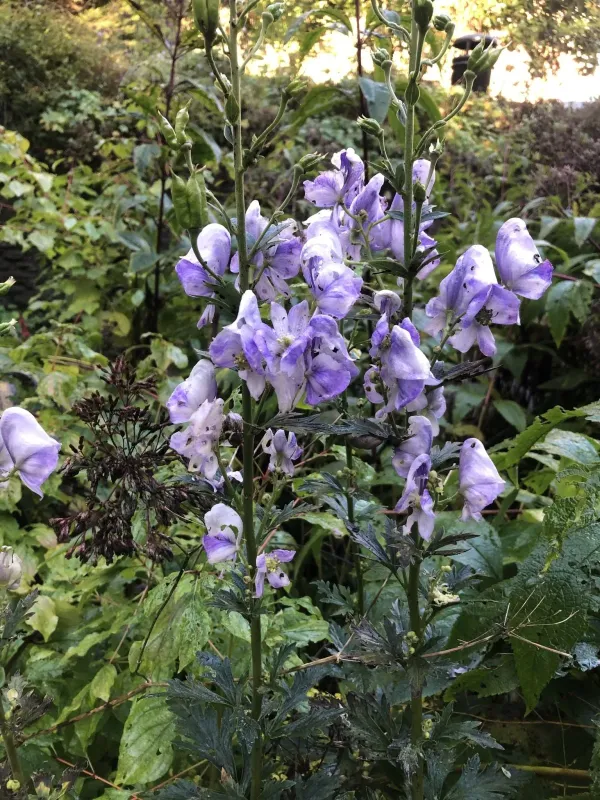
Description
Sowing dates
Sowing Aconitum carmichaelii seeds is best performed in late autumn, as they require a prolonged cold period to break dormancy and ensure high germination rates.
For spring sowing, seeds must undergo artificial stratification in a cold environment (0–5 degrees Celsius) for several months to simulate natural winter conditions.
Seeds should be covered with a fine layer of substrate, approximately 0.5 to 1 cm deep, and kept in a shaded area to maintain a consistent moisture level throughout the germination phase.
Growth is typically slow in the initial stages, requiring patience and weed control to prevent competition for nutrients and space during the first year of development.
Vegetative propagation via root division is a highly effective method for commercial cultivation, allowing for the propagation of high-quality genotypes in early spring.
Growing requirements
Carmichael's monkshood is a herbaceous perennial belonging to the Ranunculaceae family, native to the mountainous regions of Eastern Asia and China.
The plant thrives in fertile, well-draining loam soils that are rich in organic matter, preferring a pH range that is slightly acidic to neutral for optimal growth.
It prefers partial shade conditions, as excessive direct sunlight can lead to leaf scorching and rapid soil moisture evaporation, which the plant does not tolerate well.
Water management is critical; while the crop requires constant moisture to support its lush foliage and tall flowering stalks, it is highly sensitive to waterlogging.
Adequate spacing is necessary to ensure good air circulation, which helps reduce the humidity around the leaves and prevents the development of fungal pathogens.
Main diseases and pests
Aphids are the most common pests that infest the plant, clustering on young, tender growth and floral spikes to extract sap, often leading to stunted plant development.
Powdery mildew represents a major fungal threat, appearing as a white, powdery coating on leaves, particularly in areas with poor airflow and high humidity levels.
Root and crown rots are the most lethal threats to the crop, typically triggered by poorly drained soils or excessive irrigation, often causing sudden plant death.
Leaf spot diseases can also occur, causing necrotic lesions on the foliage that reduce the plant's photosynthetic capacity and overall health during the growing season.
Safety protocols must be strictly followed during management, as the entire plant is poisonous, containing potent alkaloids that are harmful to humans and animals.
Harvesting
The harvest of the medicinal tubers occurs in autumn when the aerial parts of the plant begin to fade, signaling the accumulation of active alkaloids in the roots.
Tubers are carefully excavated, cleaned of soil and debris, and separated into appropriate sizes, ensuring that only healthy, undamaged plant tissues are selected for processing.
Drying must be conducted in controlled conditions, using well-ventilated areas at low temperatures to prevent the thermal degradation of delicate medicinal compounds.
Processed material should be stored in secure, clearly labeled containers, reflecting its status as a toxic substance that requires professional handling.
The pharmaceutical industry utilizes the harvested roots for specific medical formulations, emphasizing the need for high-quality, standardized raw material.