
Wolfsbane
Aconitum vulparia Rchb.
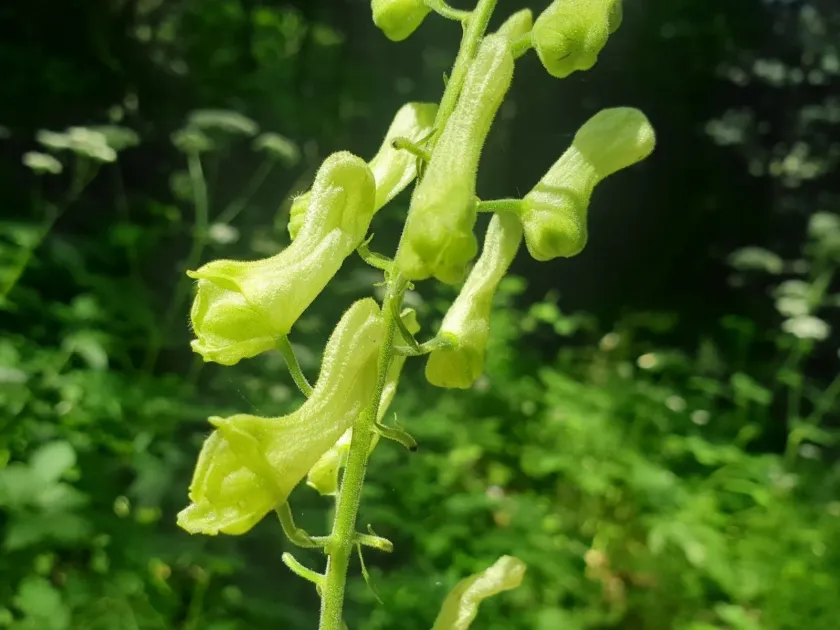
Description
Sowing dates
Sowing seeds of Aconitum vulparia is most effective when performed in late autumn, allowing the seeds to undergo natural stratification during the winter months.
The seeds require a cold dormancy period to break internal chemical inhibitors that otherwise prevent germination in the spring season.
For those opting for spring sowing, artificial stratification in a cold environment for at least 8 to 10 weeks is mandatory to ensure a viable germination rate.
The sowing depth should be kept shallow, approximately 1–2 centimeters, ensuring the delicate seeds remain in contact with consistently moist soil.
Vegetative propagation via root division is a preferred method for commercial cultivation, offering faster results compared to growing from seed.
Growing requirements
Aconitum vulparia, a member of the Ranunculaceae family, thrives best in partially shaded environments, mirroring its natural forest understory habitat.
The soil should be rich in organic matter, loose, and well-drained, as the plant is highly sensitive to waterlogged conditions that can cause root rot.
Moderate but consistent soil moisture is essential for the healthy development of the plant throughout the growing season, particularly during the flowering phase.
The plant is highly adaptable to various temperate climates and exhibits significant cold tolerance, making it a robust perennial for various regions.
Regular maintenance of soil fertility through the application of compost or well-rotted organic material is recommended to support continuous growth.
Main diseases and pests
Aphids represent a primary pest challenge for this crop, often clustering on the undersides of leaves and on developing flower spikes to extract plant sap.
Powdery mildew can become a significant issue during periods of high humidity and poor air circulation, necessitating strategic plant spacing to maintain airflow.
Root rot is a common affliction caused by excessive moisture or compacted soil, which hinders the root system’s ability to function properly.
Gastropods, such as slugs and snails, can cause considerable foliage damage, requiring integrated pest management approaches to protect the seedlings.
Given the highly toxic nature of the plant, all handlers must wear protective gear, as the alkaloids can be absorbed through the skin or mucous membranes.