
Aconitum napellus
Aconitum napellus L.
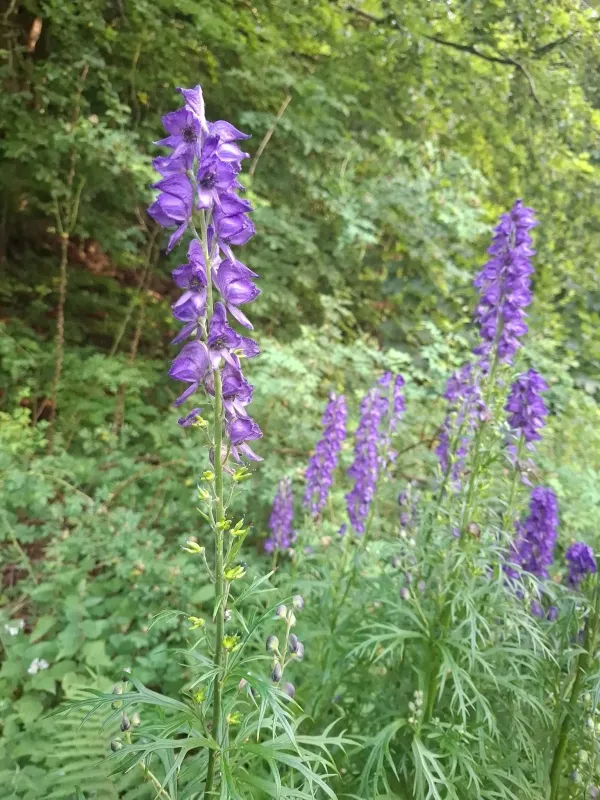
Description
Sowing dates
Propagation of Aconitum napellus is primarily achieved through vegetative division of rhizomes in early spring or autumn due to the dormancy of seeds.
When seeds are used, they require a cold stratification process; sowing them outdoors before winter allows natural conditions to trigger germination.
Seedlings emerge slowly and require diligent care, including constant moisture and protection from direct sunlight during their initial growth stages.
When dividing rhizomes, ensure each section contains at least 2–3 active buds to promote rapid establishment in the new planting site.
Planting depth should be between 5 and 8 centimeters to protect the developing buds and ensure a stable connection with the soil nutrients.
Growing requirements
Aconitum napellus is a hardy perennial belonging to the Ranunculaceae family, thriving best in fertile, moist, and well-drained loamy soils.
The culture is highly winter-hardy, although it benefits from organic mulching during hot summer months to prevent the root system from drying out.
It adapts well to both full sun and partial shade environments, provided that the soil conditions remain consistently favorable for the growth cycle.
Adequate drainage is essential, as waterlogged conditions are highly detrimental and often lead to root rot and total loss of the crop.
Regular moderate fertilization with organic matter during the active vegetation period encourages the development of strong, tall flower spikes.
Yield
Industrial harvesting is limited by the plant's high toxicity; thus, strict protocols must be followed during the collection of roots and foliage.
The concentration of alkaloids reaches its peak at the beginning of the flowering stage, which serves as the optimal time for harvesting raw materials.
The yield of dry rhizome mass can reach significant commercial levels when the crop is managed under controlled and optimized agronomic conditions.
Deadheading spent flowers prevents unnecessary seed development and redirects energy toward the rhizomes, enhancing overall harvest quality.
The plant remains productive on the same site for approximately 4–5 years, after which division and rejuvenation become necessary for sustained growth.
Main diseases and pests
Powdery mildew is a major threat in humid or overcrowded conditions, requiring prompt intervention with suitable fungicidal treatments to protect foliage.
Pests such as aphids and spider mites can severely damage leaf tissue, reducing the plant's capacity for photosynthesis and overall vigor.
Root rot, caused by poor drainage or excessive soil moisture, remains the most critical health risk for Aconitum napellus during rainy seasons.
Foliar nematodes may cause deformation of stems and stunted growth, necessitating robust integrated pest management strategies to control spread.
- Maintaining proper spacing between plants and regular soil aeration are key preventive measures against the majority of common diseases.
Harvesting
Aerial parts are harvested during full bloom by cutting stems about 10–15 centimeters above the soil level to preserve the crown for regeneration.
Rhizomes are gathered in late autumn as the plant enters dormancy, ensuring the highest concentration of phytochemicals in the underground organs.
After excavation, rhizomes must be cleaned thoroughly and dried at temperatures not exceeding 50 degrees Celsius to maintain chemical integrity.
Storage requires strictly labeled and secure containers, as every part of Aconitum napellus is extremely toxic and dangerous to humans and animals.
Personal protective equipment is mandatory during the harvesting process to prevent absorption of toxic alkaloids through the skin or mucous membranes.