
Acokanthera oppositifolia
Acokanthera oppositifolia
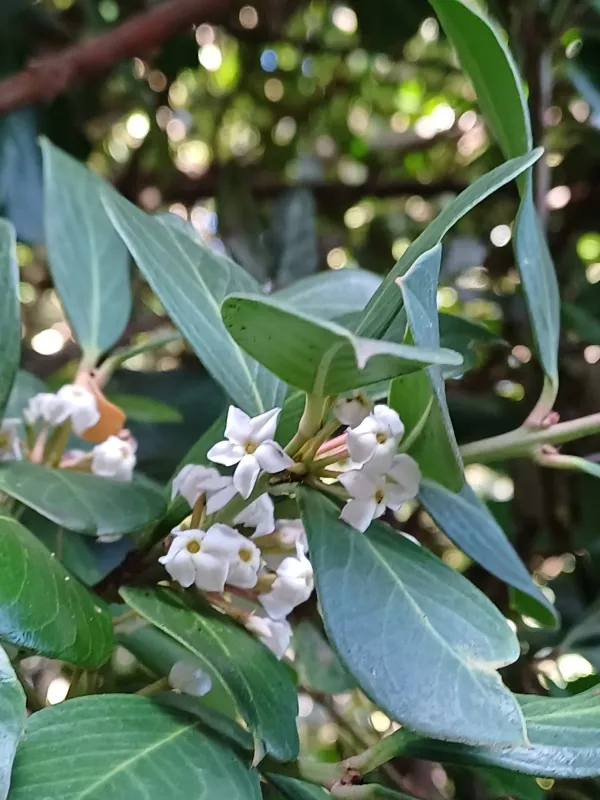
Description
Growing requirements
Acokanthera oppositifolia is a robust evergreen shrub or small tree belonging to the Apocynaceae family. Native to South and East Africa, it typically thrives in thickets, forest margins, and rocky outcrops, showcasing high adaptability to dry conditions.
In cultivation, this plant requires a sunny position and well-drained, sandy loam soil. It is intolerant of waterlogging, which necessitates careful irrigation management. The plant is drought-tolerant once established, making it suitable for xeriscaping in frost-free climates.
Temperature requirements are strictly tropical or subtropical, as the species is highly sensitive to frost. In temperate regions, it is cultivated as a greenhouse specimen where temperatures can be maintained above 10-15 degrees Celsius throughout the year.
The plant is historically significant due to its toxic properties, as the sap contains potent cardiac glycosides. While it is rarely grown as a standard agricultural crop, it remains a common subject in botanical collections and specialized gardens for its fragrant white or pink flowers.
Maintenance involves periodic pruning to keep the shrub in a manageable size and shape. Growers must strictly adhere to safety protocols, including the use of gloves, to prevent accidental contact with the highly toxic latex present throughout the plant tissue.