
Acokanthera oblongifolia
Acokanthera oblongifolia
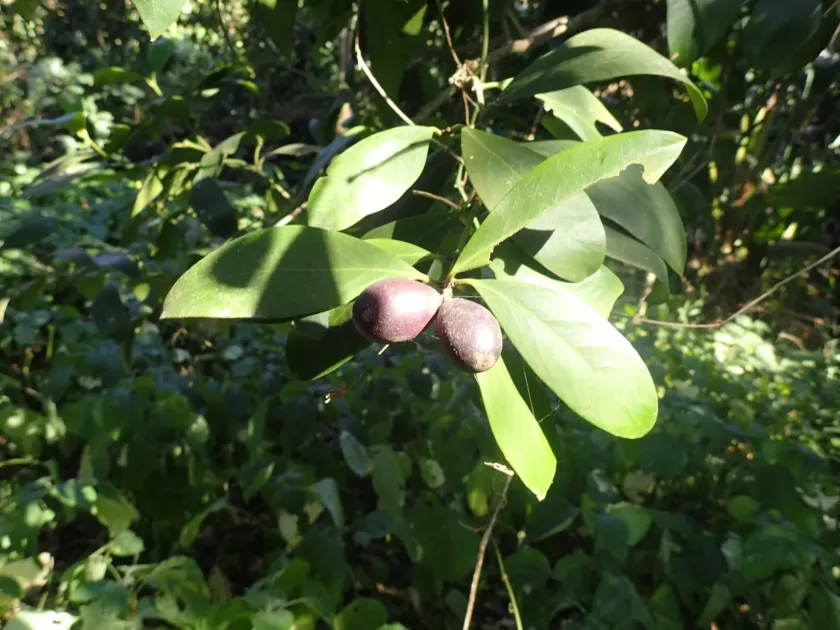
Description
Growing requirements
Acokanthera oblongifolia, commonly known as the common poison bush, is an evergreen shrub or small tree belonging to the Apocynaceae family. Native to the coastal regions of Southern Africa, it is a robust plant characterized by its leathery, dark green leaves and fragrant, white-to-pink flowers. It is primarily utilized in horticulture for ornamental purposes and as a hardy coastal shrub.
The plant requires a tropical or subtropical climate to thrive, as it is highly intolerant to frost. For successful cultivation, it needs well-drained, fertile soil that can be slightly sandy or loamy. It performs best in full sun but can tolerate partial shade, provided it receives sufficient light to maintain its compact growth habit.
Agricultural management includes regular watering during the establishment phase, though mature specimens exhibit moderate drought tolerance. It is essential to ensure that the planting site has excellent drainage, as waterlogged conditions frequently lead to root rot and rapid plant decline. Because the plant is highly toxic, it should be situated away from livestock or public recreation areas.
Pruning is a necessary agrotechnical practice to maintain the desired shape and density of the shrub. However, because the plant contains potent cardiac glycosides, workers must use protective equipment to prevent any contact with the milky sap. Any pruning waste must be handled with care and never burned in enclosed areas, as the smoke can be hazardous.
Propagation is typically achieved through seeds or semi-hardwood cuttings. Seeds should be sown in a warm, moist substrate, ensuring a germination environment that mimics its natural habitat. With its salt tolerance and ability to withstand coastal winds, it serves as an excellent barrier plant in arid and semi-arid coastal zones of suitable climates.
Main diseases and pests
Due to the presence of secondary metabolites that are toxic to herbivores, the plant is relatively resistant to large-scale pest infestations. However, when cultivated in greenhouse environments, it can become susceptible to soft-bodied insects such as mealybugs and scale insects.
Root rot caused by Phytophthora species is the most significant pathological threat to the crop. This is almost always a result of poor soil aeration and over-irrigation. Prevention is achieved through the use of sterilized growing media and careful monitoring of soil moisture levels.