
Acokanthera abyssinica
Acokanthera abyssinica
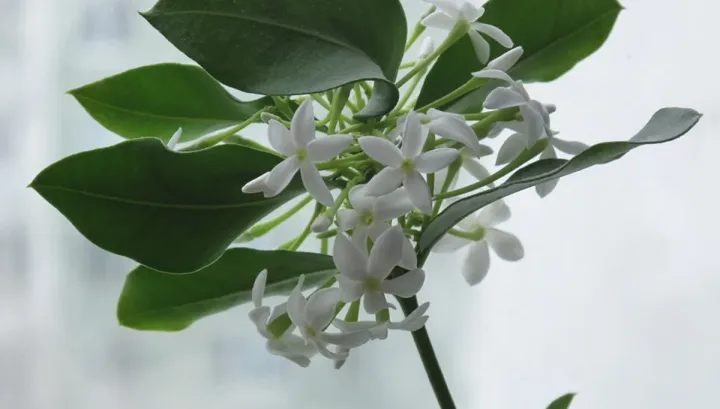
Description
Growing requirements
Acokanthera abyssinica is a distinctive evergreen shrub belonging to the Apocynaceae family. Native to the mountainous regions of Eastern Africa, this plant has adapted to harsh ecological conditions, typically found on rocky slopes and within dry forest understories.
The plant thrives in well-draining, nutrient-poor, mineral-rich soils. In an agricultural or horticultural setting, it requires a substrate similar to that of desert succulents to prevent waterlogging and subsequent root decay.
Climate requirements include high light intensity and stable warmth. It is highly sensitive to frost; therefore, cultivation is generally restricted to greenhouse environments or indoor spaces where temperatures remain above 10 degrees Celsius consistently.
Water management is critical for this species. During the active growth season, regular but sparse watering is required, while winter dormancy necessitates almost complete cessation of watering to mimic the plant's natural dry season.
Given its high concentration of cardiac glycosides, Acokanthera abyssinica is considered extremely toxic. It is cultivated primarily as a botanical specimen in specialized collections rather than as a general agricultural crop, requiring strict safety protocols.
Main diseases and pests
In indoor environments, the most frequent pests affecting Acokanthera abyssinica are spider mites, which thrive in low-humidity conditions, and scale insects, which often colonize the woody stems and undersides of leaves.
Root rot is the most significant threat to the plant's longevity. This is almost exclusively caused by overwatering or the use of heavy, non-draining soil mixes, which lead to an oxygen-depleted environment for the root system.
Fungal leaf spot diseases can occur if the plant is kept in areas with poor ventilation. Ensuring adequate air circulation around the canopy is essential for disease prevention and maintaining plant vigor.
Mealybugs can be a persistent problem, hiding in the leaf axils and stems. Physical removal combined with mild insecticidal soaps is often effective, but applications must be done with caution to avoid skin exposure to the toxic sap.
Stunted growth or chlorosis may indicate nutrient deficiencies or excessive soil salinity. Periodic repotting in fresh, well-structured potting media is recommended to prevent these issues over the long term.