
Achimenes mexicana
Achimenes mexicana
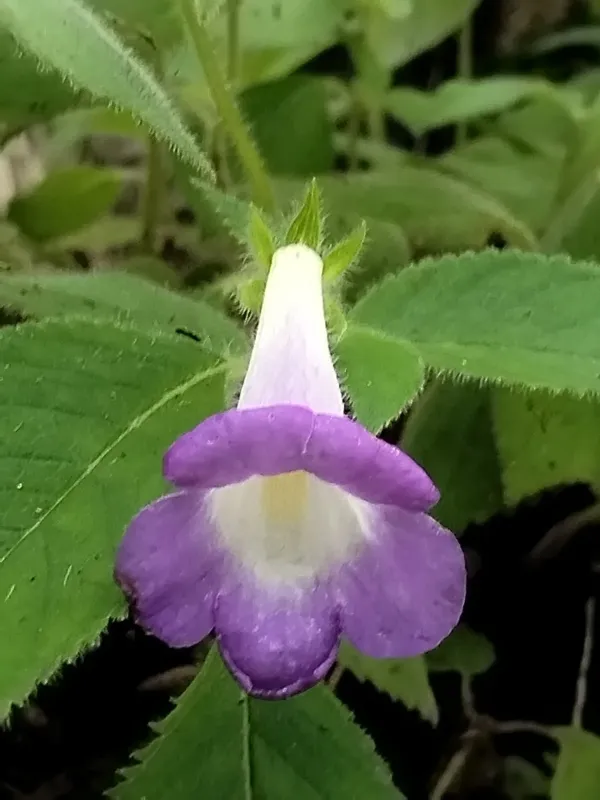
Description
Sowing dates
Achimenes mexicana is a perennial herbaceous species belonging to the Gesneriaceae family. It is characterized by small, scaly rhizomes that allow the plant to survive dormancy periods.
Rhizomes should be planted during the late winter or early spring season. This ensures the plant has a full growing season to develop strong stems and vibrant flowers.
For cultivation, select shallow, wide pots that allow the rhizomes to spread horizontally. Proper drainage is essential to prevent rot during the early stages of growth.
Place the rhizomes roughly 1 to 2 centimeters deep in a light, porous growing medium. Maintain temperatures around 20–24 degrees Celsius to encourage rapid sprouting.
As the plant enters its active growth phase, keep the soil consistently moist. Once the blooming cycle concludes in autumn, gradually reduce water to trigger the dormancy phase.
Growing requirements
This species thrives in bright, indirect light. While it loves warmth, it must be protected from scorching direct sunlight, which can easily damage the foliage.
The ideal soil mix is lightweight and slightly acidic. A blend of peat moss, perlite, and high-quality potting soil provides the necessary aeration and moisture retention.
Achimenes require consistent watering but dislike waterlogged soil. Always allow the top layer of the soil to dry slightly between waterings to prevent root disease.
High air humidity is beneficial for the development of flower buds. Avoid overhead misting on sunny days to prevent spotting on the leaves and flowers.
Regular fertilization with a balanced liquid fertilizer, high in potassium, is recommended throughout the flowering period to support continuous bud formation.
Main diseases and pests
Spider mites are the most common pest, particularly in environments with low humidity. They weaken the plant by feeding on the sap, causing leaves to yellow and drop.
Fungal issues such as gray mold often occur when there is excessive humidity combined with poor air circulation around the plants.
Mealybugs can also infest the stems and leaf axils, requiring careful removal or treatment with appropriate horticultural oils or systemic insecticides.
Preventative measures include maintaining good airflow, inspecting plants weekly, and isolating any new specimens before adding them to your main collection.
- Regular inspection for pests.
- Maintaining proper environmental humidity.
- Using sterilized potting equipment.