
Achimenes hybrids
Achimenes hybrids
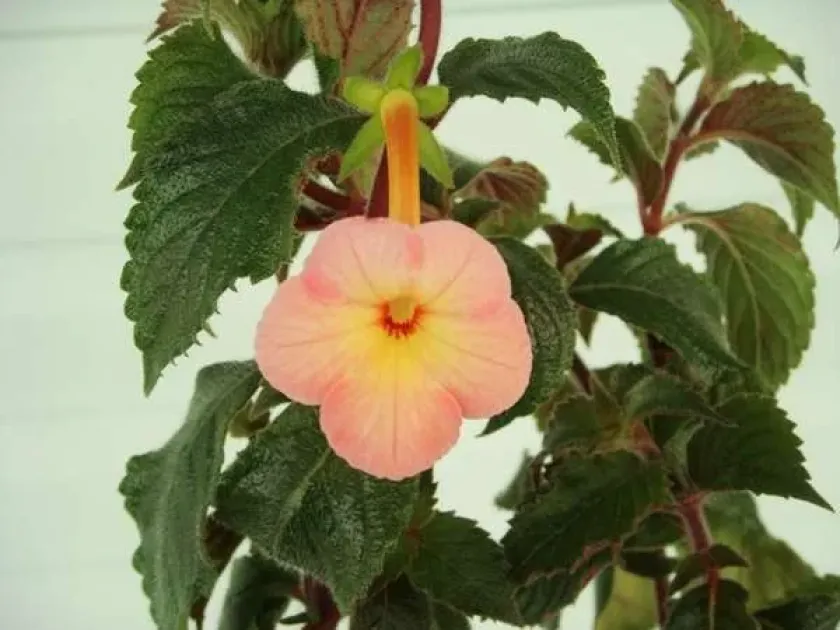
Description
Growing requirements
Achimenes hybrids, members of the Gesneriaceae family, are perennial rhizomatous plants native to the tropical regions of Central and South America. These plants are prized for their spectacular cascading habit and a wide array of vibrant, trumpet-shaped flowers that bloom throughout the warmer months.
To thrive, these plants require bright, indirect light and a consistently warm environment, ideally between 22 and 26 degrees Celsius. Protection from direct, scorching sun and chilly drafts is essential to maintain the health of the delicate foliage and ensure a prolonged flowering season for the plant.
The cultivation medium should be a well-draining, loose soil mix composed of peat moss, perlite, and organic matter to support the development of rhizomes. Proper drainage is critical, as these plants are susceptible to root rot if the soil remains waterlogged for extended periods, especially during cooler weather.
Agricultural practice involves a cyclical approach to care, where plants are allowed a distinct dormant period during winter when the foliage dies back. During this phase, the rhizomes should be stored in a dry, dark place until the next spring when active growth resumes with warmer temperatures and increased light.
The primary use of Achimenes hybrids is in ornamental horticulture, where they are favored for hanging baskets, window boxes, and as container plants in conservatories. The vast diversity of available hybrids makes them a staple in modern decorative indoor plant collections worldwide.
Main diseases and pests
Common pests affecting Achimenes include spider mites and thrips, which thrive in low-humidity environments. Regular inspection and maintaining appropriate humidity levels are vital strategies to prevent these infestations from causing significant damage to the plant's aesthetic and vitality.
Fungal issues, such as grey mold or stem rot, can occur if ventilation is inadequate or if watering habits are too heavy. Employing proper spacing between containers and ensuring the substrate is not excessively moist are the best preventative measures against these common agricultural threats.